
🔤 Total Characters in Document: 343,935
📄 Estimated Document Pages: 137
⏱️ Reading Time: 5 Hours 41 Mins
CHAPTER ONE: INTRODUCTION
1.1 Background of Study
Rural-urban migration is the movement of people from rural areas (villages, farmlands, agricultural settlements) to urban areas (cities, towns, metropolitan centres) for the purpose of permanent or semi-permanent residence (Todaro and Smith, 2020). This phenomenon is a defining feature of developing economies, where rural populations, driven by various push and pull factors, relocate to urban centres in search of better economic opportunities, education, healthcare, and improved living standards (Harris and Todaro, 2019). Rural-urban migration is distinct from other forms of migration (rural-rural, urban-urban, urban-rural) and from temporary circulation (seasonal labour migration, commuting) (Castles, de Haas, and Miller, 2018). In Nigeria, rural-urban migration has been occurring at an accelerated pace over the past five decades, driven by rapid urbanization, economic transformation, and demographic pressures (National Bureau of Statistics, 2022).
Agriculture has historically been the backbone of the Nigerian economy, contributing significantly to gross domestic product (GDP), employment, food security, and foreign exchange earnings (Federal Ministry of Agriculture and Rural Development, 2021). Prior to the oil boom of the 1970s, agriculture accounted for over 50% of GDP and employed over 70% of the labour force (CBN, 2022). Today, agriculture still employs about 35% of the labour force and contributes approximately 25% to GDP, but its share has declined relative to services and oil (NBS, 2022). The sector is dominated by smallholder farmers (over 80% of farmers operate on less than 2 hectares), who rely on family labour (often young people) for planting, weeding, fertilizing, harvesting, and post-harvest handling (World Bank, 2021). These smallholder farmers are predominantly located in rural areas, where over 50% of Nigeria’s population still resides (UNDP, 2020).
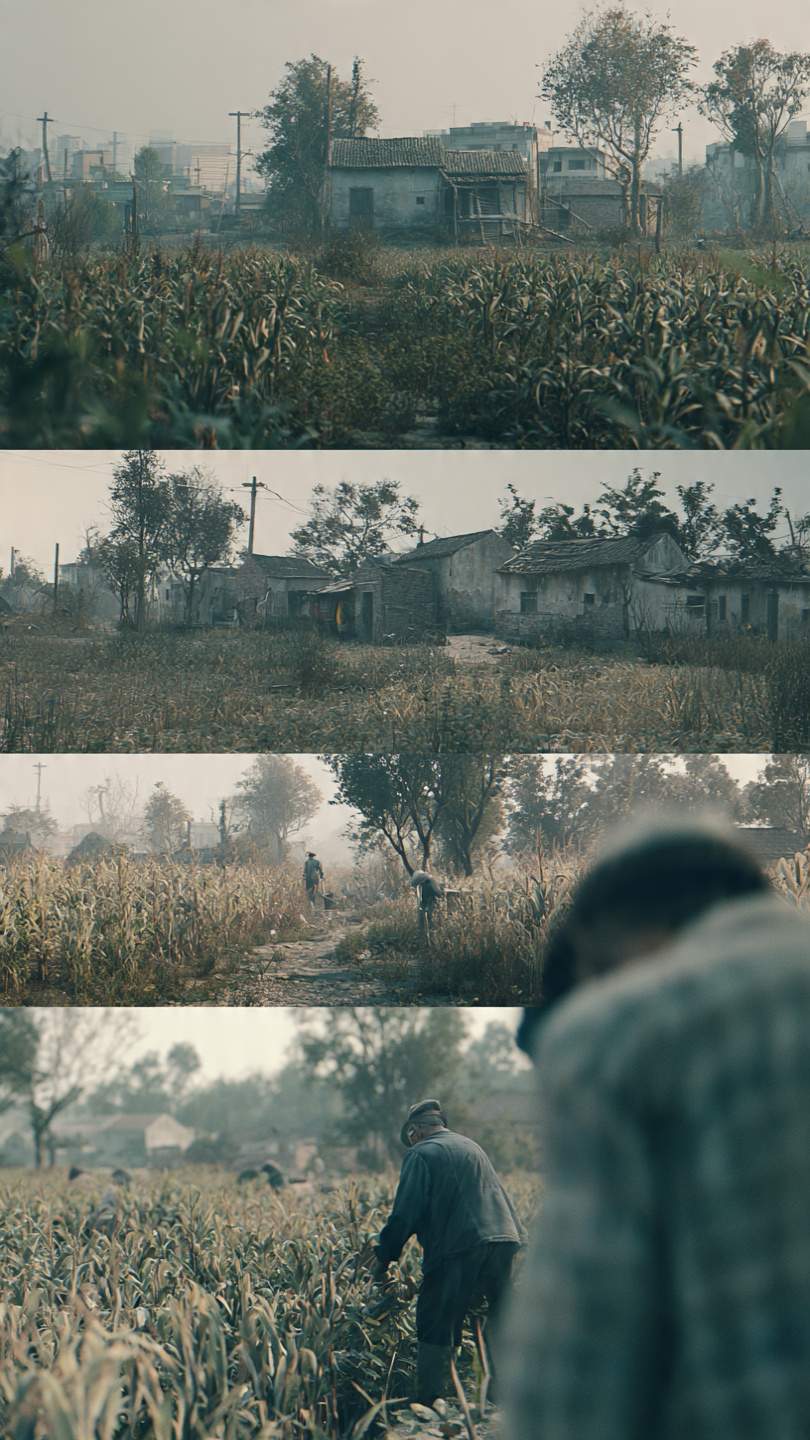
The relationship between rural-urban migration and agricultural production is complex and multifaceted (Lucas, 2019). On one hand, migration can have negative effects on agricultural production by reducing the availability of agricultural labour, particularly young, able-bodied workers who are most likely to migrate (Tacoli, 2018). The loss of labour from rural areas can lead to: reduced area under cultivation (farmers unable to plant all their land due to labour shortage), reduced intensity of cultivation (fewer weeding rounds, less fertilizer application, reduced pest control), delayed harvesting (crops left in field too long, leading to spoilage), increased post-harvest losses (insufficient labour for threshing, drying, storage), and abandonment of farmland (land left fallow or converted to non-agricultural uses) (FAO, 2020). In many rural communities in Nigeria, it is common to see elderly men, women, and children as the primary agricultural workers, while young adults have migrated to cities (Eze and Nweze, 2019).
On the other hand, migration can have positive effects on agricultural production through remittances (money sent back by migrants to their rural households) (Mendola, 2019). Remittances can provide capital for agricultural investment: purchase of improved seeds, fertilizers, pesticides, farm equipment (pumps, tractors, planters), irrigation infrastructure, and storage facilities (De Brauw and Rozelle, 2020). Remittances can also enable farmers to hire labour (to compensate for lost family labour) and to adopt labour-saving technologies (e.g., herbicides instead of manual weeding, mechanization) (Tacoli, 2018). In some cases, migrants may return to rural areas with new skills, knowledge, and entrepreneurial experience that can be applied to agriculture (Lucas, 2019).
The net effect of rural-urban migration on agricultural production (whether negative dominates positive or vice versa) depends on several factors (FAO, 2020): the age, gender, and skills of migrants (if young, able-bodied males migrate, labour loss is severe; if older or less skilled migrate, labour loss less severe); the volume and use of remittances (if remittances are used for productive agricultural investment, positive effects; if used for consumption or non-agricultural investment, positive effects limited); the availability of labour substitutes (if hired labour is available and affordable, labour loss can be compensated; if not, negative effects); the characteristics of farming systems (labour-intensive crops like rice, vegetables, yams are more affected than less labour-intensive crops like cassava); and the stage of agricultural transformation (in early stages, labour loss dominates; in later stages, remittance effect may dominate) (World Bank, 2021).
The push factors driving rural-urban migration in Nigeria are numerous and well-documented (Adebayo and Ogunyemi, 2020). Economic push factors include: low and unstable agricultural incomes (many smallholder farmers live below the poverty line), lack of off-farm employment opportunities in rural areas, land scarcity and land tenure insecurity (farmers cannot expand or invest in land they do not own), lack of access to credit (farmers cannot afford improved inputs), and climate change impacts (droughts, floods, desertification, erosion reducing agricultural productivity) (Okafor and Nwosu, 2020). Social push factors include: limited access to quality education (rural schools underfunded, poor quality), limited access to healthcare (rural clinics understaffed, lack medicines), poor housing and infrastructure (lack of electricity, clean water, roads), and social marginalization (youth feel lack of opportunities, social status) (Nwosu and Okafor, 2021).
Pull factors attracting migrants to urban areas include: perceived better employment opportunities (formal and informal sector jobs in cities), higher wages (urban wages typically higher than rural agricultural incomes), better educational opportunities (universities, polytechnics, secondary schools), better healthcare (hospitals, clinics, specialists), access to amenities (electricity, piped water, paved roads, entertainment), and social networks (friends, relatives already in cities provide housing and job leads) (Todaro and Smith, 2020). The combination of strong push factors (rural areas are unattractive) and strong pull factors (cities are attractive) creates powerful incentives for rural-urban migration, particularly among young adults (Castles et al., 2018).
The demographic profile of rural-urban migrants is consequential for agricultural production (Lucas, 2019). Globally and in Nigeria, migrants tend to be: young (ages 15-35 years) – the most productive age group for agricultural labour; male (though female migration is increasing) – males traditionally perform the most strenuous agricultural tasks (clearing land, ploughing, planting, harvesting); educated (at least primary or secondary education) – those with higher education have more opportunities in urban labour markets; single (no spouse or children in rural area) – fewer ties keeping them in rural areas; landless or with small landholdings – those with larger landholdings may be less likely to migrate; and from poorer households – those with fewer assets are more motivated to seek better opportunities elsewhere (Tacoli, 2018). The migration of young, able-bodied males has the most severe negative effect on agricultural labour supply (FAO, 2020).
The consequences of rural-urban migration for agricultural production in Nigeria have been observed across various regions (Eze and Nweze, 2019). Declining agricultural labour force: The proportion of the labour force engaged in agriculture has fallen from over 70% in 1970 to about 35% today, partly due to migration (NBS, 2022). Feminization of agriculture: As men migrate to cities, women (wives, daughters) take on more agricultural roles, including tasks traditionally performed by men (ploughing, planting, applying pesticides) (Okafor and Ugwu, 2021). Aging of the agricultural workforce: The average age of farmers is increasing (now estimated at 50-60 years in many communities), as young people leave for cities (World Bank, 2021). Reduced cropping intensity: Farmers plant fewer hectares, reduce weeding rounds, use less fertilizer, and have lower yields due to labour shortage (Adebayo and Ogunyemi, 2020). Abandonment of farmland: In some areas, farmland is being abandoned (left fallow, converted to grazing, or taken over by shrubs and trees) due to lack of labour (Nwosu and Okafor, 2021).
Remittance effects can offset some of these negative consequences (Mendola, 2019). Studies from various developing countries (including some in Nigeria) show that remittances can: increase investment in agricultural inputs (seeds, fertilizers, pesticides, equipment); enable purchase of labour-saving machinery (tractors, planters, threshers); facilitate irrigation development (boreholes, pumps); improve storage facilities (reducing post-harvest losses); and support diversification into high-value crops (vegetables, fruits, poultry, fish) (De Brauw and Rozelle, 2020). However, the extent to which remittances are used for productive agricultural investment varies. Some studies find that remittances are primarily used for consumption (food, clothing, housing), education, healthcare, and social obligations (weddings, funerals), rather than agricultural investment (Tacoli, 2018). The effectiveness of remittances for agricultural production depends on: the amount and regularity of remittances; the migrant’s relationship to the household; the household’s existing asset base; access to complementary inputs (land, water, markets); and the presence of agricultural extension services (Lucas, 2019).
Government policies can influence both migration and its effects on agriculture (World Bank, 2021). Policies that make rural areas more attractive (reduce push factors) can slow migration: agricultural development programmes (improved inputs, extension services, credit), rural infrastructure (roads, electricity, water, schools, health centres), non-farm employment creation (rural enterprises, cottage industries), land tenure reform (secure land rights enabling investment), and social protection (farmer insurance, safety nets) (FAO, 2020). Policies that help agriculture adapt to labour loss (mitigate negative effects) can also be effective: promotion of labour-saving technologies (mechanization, herbicides, improved implements); support for farmer cooperatives (shared labour, shared equipment); training for women farmers (as women take on more agricultural roles); youth agricultural programmes (making agriculture attractive to youth) (Adebayo and Ogunyemi, 2020).
Climate change is exacerbating rural-urban migration and its effects on agriculture (IPCC, 2021). Climate impacts (droughts, floods, desertification, heat stress, changing rainfall patterns) reduce agricultural productivity, increase income variability, and push farmers to migrate (Gbadegesin and Ayeni, 2019). Migrants from climate-affected areas often move to urban centres, increasing pressure on urban infrastructure and reducing the labour force in already stressed agricultural areas (FAO, 2020). At the same time, remittances from climate migrants can help rural households adapt to climate change (e.g., fund drought-resistant seeds, irrigation, water storage), but this depends on the same factors affecting remittance use more generally (Mendola, 2019).
From a theoretical perspective, this study is supported by three theories: Harris-Todaro Migration Model (Harris and Todaro, 1970, 2019), which explains rural-urban migration as a response to expected income differentials between rural and urban areas, accounting for urban unemployment; New Economics of Labour Migration (NELM) (Stark and Bloom, 1985; Lucas, 2019), which views migration as a household strategy to diversify income sources, manage risk, and overcome credit constraints, with remittances serving as a form of informal insurance; and Agricultural Household Model (Singh, Squire, and Strauss, 1986; De Brauw and Rozelle, 2020), which analyzes farm household production and consumption decisions, including labour allocation between on-farm work and off-farm migration. These theories together provide a comprehensive framework for analysing the effect of rural-urban migration on agricultural production.
In summary, rural-urban migration is a major phenomenon in Nigeria, with significant implications for agricultural production. Migration reduces the rural agricultural labour force (negative effect) but can also provide remittances that enable agricultural investment (positive effect). The net effect depends on the characteristics of migrants, the volume and use of remittances, the availability of labour substitutes, and the farming system. Empirical research on the effect of rural-urban migration on agricultural production in Nigeria is limited, often focusing on a single region or a single crop, and rarely quantifying the net effect. This study aims to systematically examine the effect of rural-urban migration on agricultural production in selected rural communities in Nigeria.
1.2 Statement of Problems
Despite the critical importance of agriculture to food security, employment, and rural livelihoods in Nigeria, and despite the massive scale of rural-urban migration occurring in the country (millions of young, able-bodied workers moving from rural agricultural areas to urban centres annually), there is limited empirical evidence on the specific effects of this migration on agricultural production. Observed trends suggest negative effects: declining agricultural labour force, aging farmer population (average age now 50-60 years), feminization of agriculture (women taking on more tasks but with less access to resources), reduced area under cultivation, lower yields, increased post-harvest losses, and farmland abandonment. However, there is also evidence of positive effects: remittances from migrants being used to purchase agricultural inputs, hire labour, invest in equipment, and adopt labour-saving technologies. The net effect (whether negative effects outweigh positive effects, or vice versa) is unclear and likely varies across regions, crops, and household characteristics. Furthermore, existing studies on this topic in Nigeria are fragmented (focusing on single states or single crops), use different methodologies, and produce conflicting findings. There is no recent, comprehensive, multi-region study that systematically quantifies the effect of rural-urban migration on agricultural production outcomes (output, yield, cropping intensity, technology adoption) while controlling for other factors (climate, market access, extension services). The problem this study addresses is the need to empirically examine the effect of rural-urban migration on agricultural production in selected rural communities in Nigeria, using robust methodology and accounting for both negative (labour loss) and positive (remittance) channels.
1.3 Aim of the Study
The specific aim of this research work is to examine the effect of rural-urban migration on agricultural production in selected rural communities in Nigeria, with a view to determining the net effect of migration on agricultural output, yield, cropping intensity, and technology adoption, and to identify the mediating roles of labour loss (negative channel) and remittances (positive channel).
1.4 Objectives of the Study
- To identify the socioeconomic characteristics (age, gender, education, household size, farm size, migration status) of rural households in selected agricultural communities in Nigeria.
- To determine the extent of rural-urban migration (proportion of households with migrants, number of migrants per household, characteristics of migrants) in selected rural communities.
- To assess the effect of rural-urban migration on agricultural labour availability (household labour, hired labour) in migrant-sending households.
- To assess the effect of rural-urban migration on agricultural production outcomes (output, yield, cropping intensity, technology adoption) in migrant-sending households.
- To determine the net effect of rural-urban migration on agricultural production, accounting for both labour loss (negative) and remittance (positive) channels.
1.5 Research Questions
- What are the socioeconomic characteristics (age, gender, education, household size, farm size, migration status) of rural households in selected agricultural communities in Nigeria?
- What is the extent of rural-urban migration (proportion of households with migrants, number of migrants per household, characteristics of migrants) in selected rural communities?
- How does rural-urban migration affect agricultural labour availability (household labour, hired labour) in migrant-sending households?
- How does rural-urban migration affect agricultural production outcomes (output, yield, cropping intensity, technology adoption) in migrant-sending households?
- What is the net effect of rural-urban migration on agricultural production, accounting for both labour loss (negative) and remittance (positive) channels?
1.6 Research Hypotheses
Hypothesis One
- H₀ (Null): Rural-urban migration has no significant effect on agricultural labour availability (household labour, hired labour) in migrant-sending households.
- H₁ (Alternative): Rural-urban migration has a significant effect on agricultural labour availability in migrant-sending households.
Hypothesis Two
- H₀ (Null): Rural-urban migration has no significant effect on agricultural output (value of crop production) in migrant-sending households.
- H₁ (Alternative): Rural-urban migration has a significant effect on agricultural output in migrant-sending households.
Hypothesis Three
- H₀ (Null): Rural-urban migration has no significant effect on crop yield (output per hectare) in migrant-sending households.
- H₁ (Alternative): Rural-urban migration has a significant effect on crop yield in migrant-sending households.
Hypothesis Four
- H₀ (Null): Rural-urban migration has no significant effect on cropping intensity (area planted, number of crops grown) in migrant-sending households.
- H₁ (Alternative): Rural-urban migration has a significant effect on cropping intensity in migrant-sending households.
Hypothesis Five
- H₀ (Null): Rural-urban migration has no significant net effect (labour loss effect vs. remittance effect) on agricultural production in migrant-sending households.
- H₁ (Alternative): Rural-urban migration has a significant net effect on agricultural production in migrant-sending households.
1.7 Justification of the Study
This study is justified on several grounds. First, while the importance of agriculture and the scale of rural-urban migration are both recognized, there is limited empirical evidence on the causal effect of migration on agricultural production in Nigeria; most existing studies are descriptive or correlational. Second, understanding the net effect (whether negative labour loss dominates or positive remittance effect dominates) is essential for policy: if migration harms agriculture, policies should focus on reducing push factors (rural development) or mitigating labour loss (mechanization); if migration benefits agriculture through remittances, policies should facilitate remittance investment in agriculture. Third, the study will provide disaggregated analysis by region, crop type, and household characteristics, enabling targeted interventions. Fourth, the study will contribute to theoretical debates (Harris-Todaro vs. NELM predictions) in the Nigerian context. Fifth, the findings will inform agricultural policy (FMARD), migration policy (National Commission for Refugees, Migrants and Internally Displaced Persons), rural development programmes, and development partners.
1.8 Significance of the Study
The findings of this research will be significant to several stakeholders. To smallholder farmers and rural households, the study will provide insights on how migration affects their agricultural production, informing decisions about who migrates, who stays, and how remittances can be used productively. To the Federal Ministry of Agriculture and Rural Development (FMARD) , the findings will inform policies to address labour shortages (mechanization programmes, labour-saving technologies) and to leverage remittances for agricultural investment (remittance-linked credit, matching grants). To the National Commission for Refugees, Migrants and Internally Displaced Persons (NCFRMI) and Ministry of Labour and Employment, the findings will inform migration management policies, addressing push factors (rural development) and harnessing migration benefits for rural areas. To State Governments (Ministries of Agriculture, Rural Development) , the findings will inform state-level agricultural development programmes, rural infrastructure investments, and youth agricultural employment schemes. To development partners (World Bank, FAO, IFAD, UNDP, IOM) , the findings will inform project design for rural-urban migration, agricultural development, and rural livelihood programmes. To academic researchers, the study will contribute empirical evidence on migration-agriculture linkages in Nigeria, testing and extending Harris-Todaro, NELM, and agricultural household models.
1.9 Scope of the Study
The scope of this study is delimited to the effect of rural-urban migration on agricultural production in selected rural communities in Nigeria. The study focuses on rural households engaged in crop production (cereals, roots/tubers, vegetables, legumes) in selected states/regions representing different agricultural zones. The study examines rural-urban migration (movement from rural to urban areas within Nigeria; international migration is excluded). The study examines agricultural production outcomes: output (value of crop production, quantity harvested), yield (output per hectare), cropping intensity (area planted, number of crops grown, number of cropping cycles), and technology adoption (improved seeds, fertilizers, pesticides, irrigation, mechanization). The study examines mediating channels: labour loss (household labour reduction due to migration) and remittances (money sent back by migrants). The study compares migrant-sending households (at least one member migrated rural-urban in past 5 years) with non-migrant households (no member migrated). The study covers the period 2019-2024. The study uses primary data collection (household survey) and secondary data (agricultural extension records, market price data). The study does not extend to rural-rural migration, urban-rural migration (return migration), international migration, fisheries or livestock production (crops only), or agricultural marketing beyond production.
1.10 Definition of Terms
Rural-Urban Migration: The permanent or semi-permanent movement of individuals from rural areas (villages, farmlands, agricultural settlements) to urban areas (cities, towns, metropolitan centres) for the purpose of residence and employment, typically involving a change of usual place of residence.
Agricultural Production: The process of cultivating crops for food, feed, fibre, or other uses, measured in terms of output (quantity or value), yield (output per unit land area), cropping intensity (area planted, number of crops per year), and technology adoption (use of improved inputs).
Migrant-Sending Household: A rural household in which at least one member has permanently or semi-permanently migrated to an urban area (within Nigeria) within the past five years, and with whom the household maintains contact (communication, remittances).
Non-Migrant Household: A rural household in which no member has migrated (permanently or semi-permanently) to an urban area within the past five years; all household members reside in the rural community.
Remittance: Money or in-kind transfers sent by a migrant to his/her household of origin in the rural area; remittances can be sent regularly (monthly, quarterly) or irregularly, through formal channels (bank transfer, money transfer operators) or informal channels (bus drivers, relatives, friends).
Agricultural Labour: The human labour (time, effort, skills) used in agricultural production, including household labour (family members who work on the farm) and hired labour (workers paid wages or in-kind to work on the farm).
Labour Loss: The reduction in available agricultural labour (household labour) due to the out-migration of household members who previously contributed to farm work.
Cropping Intensity: The number of crops grown per unit area per year; higher intensity (e.g., three crops per year instead of one) indicates more intensive land use; lower intensity (e.g., fallow land) indicates less intensive use.
Farm Size: The total area of land (in hectares) cultivated by the household for crop production, whether owned, rented, or sharecropped.
Output (Agricultural): The quantity (kg, tons) or value (₦) of crop production harvested by the household over a specified period (typically one agricultural year).
Yield (Agricultural): Output per unit area, typically expressed as kg per hectare or tons per hectare; yield is a measure of land productivity.
Technology Adoption: The use of improved agricultural technologies, including improved seeds (hybrid, improved varieties), chemical fertilizers, pesticides (herbicides, insecticides, fungicides), irrigation (boreholes, pumps, drip systems), and mechanization (tractors, planters, threshers, mills).
Harris-Todaro Migration Model: A theoretical model explaining rural-urban migration as a response to expected income differentials between rural and urban areas, accounting for urban unemployment; migration occurs if expected urban income (adjusted for unemployment probability) exceeds rural income.
New Economics of Labour Migration (NELM): A theoretical framework viewing migration as a household strategy to diversify income sources, manage risk (crop failure, price shocks, illness), and overcome credit constraints (lack of access to formal credit), with remittances serving as informal insurance.
Agricultural Household Model: A theoretical framework analyzing farm households as both producers (making production decisions about land, labour, inputs) and consumers (making consumption decisions), with labour allocated between on-farm work and off-farm activities (including migration) based on shadow wages and opportunity costs.
Push Factors: Conditions in rural areas that encourage out-migration, including low agricultural incomes, lack of off-farm employment, land scarcity, land tenure insecurity, lack of credit, poor infrastructure (roads, electricity, water), poor education, poor healthcare, climate change impacts.
Pull Factors: Conditions in urban areas that attract in-migration, including perceived better employment opportunities, higher wages, better education, better healthcare, amenities (electricity, water, entertainment), and social networks (friends, relatives).
CHAPTER TWO: LITERATURE REVIEW
2.1 Conceptual Framework
The conceptual framework for this study is organized around the key concepts of rural-urban migration, agricultural production, and the mediating channels (labour loss and remittances) through which migration affects agricultural outcomes. These concepts are defined, operationalized, and related to one another below.
2.1.1 Concept of Rural-Urban Migration
Rural-urban migration is the movement of people from rural areas (villages, farmlands, agricultural settlements) to urban areas (cities, towns, metropolitan centres) for the purpose of permanent or semi-permanent residence (Todaro and Smith, 2020). This form of internal migration is distinguished from:
- Rural-rural migration: Movement between rural areas (e.g., seasonal agricultural labour migration)
- Urban-urban migration: Movement between urban centres (e.g., city to city)
- Urban-rural migration: Movement from cities back to rural areas (return migration)
- International migration: Movement across national borders
Key characteristics of rural-urban migration relevant to agricultural production include (Castles, de Haas, and Miller, 2018):
| Characteristic | Description | Agricultural Implication |
| Selectivity | Migrants are not random; they are typically young, male, educated, single, landless | The most productive agricultural workers leave |
| Permanence | Migration is often permanent (or long-term), not seasonal | Sustained labour loss rather than temporary absence |
| Distance | Movement from rural villages to distant cities (often >100 km) | Limited ability to return seasonally for farm work |
| Remittance behaviour | Most migrants send money back to rural households | Potential source of agricultural investment capital |
| Return migration | Some migrants eventually return to rural areas (often after retirement) | Potential for skill and capital transfer back to agriculture |
Push Factors (Rural Conditions that Encourage Out-Migration)
Push factors are conditions in rural areas that make leaving attractive or necessary (Tacoli, 2018):
- Economic push factors: Low agricultural incomes, lack of off-farm employment, land scarcity, land tenure insecurity, lack of credit, crop failure, livestock losses
- Social push factors: Limited access to quality education, limited access to healthcare, poor housing, social marginalization (youth feel lack of opportunities)
- Infrastructure push factors: Poor roads, lack of electricity, lack of clean water, poor communication (limited mobile/internet)
- Environmental push factors: Land degradation, soil infertility, climate change impacts (droughts, floods, desertification), pest and disease outbreaks
Pull Factors (Urban Conditions that Attract Migrants)
Pull factors are conditions in urban areas that make destination attractive (Harris and Todaro, 2019):
- Economic pull factors: Perceived better employment opportunities, higher wages (formal and informal sector), opportunities for entrepreneurship
- Social pull factors: Better educational institutions (universities, polytechnics), better healthcare (hospitals, specialists), amenities (entertainment, social life)
- Infrastructure pull factors: Reliable electricity, piped water, paved roads, public transportation, communication networks
- Social network factors: Friends, relatives, or community members already in city provide housing, job leads, and social support
2.1.2 Concept of Agricultural Production
Agricultural production is the process of cultivating crops for food, feed, fibre, or other uses, involving the application of labour, land, capital, and management to produce outputs (FAO, 2020). For smallholder farmers in Nigeria, agricultural production can be measured along multiple dimensions (World Bank, 2021):
Dimension 1: Output
Output refers to the quantity or value of crop production harvested over a specified period (typically one agricultural year).
| Measure | Definition | Unit |
| Quantity harvested | Total weight of crops harvested | Kilograms (kg), metric tons (MT) |
| Value of output | Quantity × market price | Naira (₦) |
| Per capita output | Output divided by household size | kg/person or ₦/person |
Dimension 2: Yield
Yield refers to output per unit area of land, a measure of land productivity.
| Measure | Definition | Unit |
| Yield per hectare | Output ÷ area cultivated | kg/ha or MT/ha |
| Yield per plot | Output per specific plot | kg/plot |
| Yield per crop | Output per crop type (e.g., maize, cassava, yam) | kg/ha (crop-specific) |
Dimension 3: Cropping Intensity
Cropping intensity refers to the number of crops grown per unit area per year, a measure of land use intensity.
| Measure | Definition | Unit |
| Area cultivated | Total land area planted | Hectares (ha) |
| Number of crops | Different crop types grown in a year | Count |
| Cropping cycles | Number of harvests per year (e.g., single cropping, double cropping) | Cycles/year |
| Fallow ratio | Land left uncultivated ÷ total available land | Ratio |
Dimension 4: Technology Adoption
Technology adoption refers to the use of improved agricultural inputs and practices.
| Technology | Examples | Measurement |
| Improved seeds | Hybrid maize, improved cassava cuttings, certified seeds | Yes/No, quantity used (kg) |
| Fertilizers | NPK, urea, organic fertilizer | Yes/No, quantity used (kg), expenditure (₦) |
| Pesticides | Herbicides, insecticides, fungicides | Yes/No, expenditure (₦) |
| Irrigation | Borehole, pump, drip system | Yes/No, area irrigated (ha) |
| Mechanization | Tractor, planter, thresher, mill | Yes/No, hours used, expenditure (₦) |
2.1.3 Mediating Channels: How Migration Affects Agricultural Production
The effect of rural-urban migration on agricultural production operates through two primary, opposing channels: labour loss (negative effect) and remittances (positive effect) (Lucas, 2019; Mendola, 2019).
Channel 1: Labour Loss (Negative Effect)
When a household member migrates, the household loses their agricultural labour contribution. The magnitude of labour loss depends on:
- Who migrates: If the migrant was a primary agricultural worker (performed significant farm tasks), labour loss is severe. If the migrant was not a primary agricultural worker (e.g., child, elderly, non-farming household member), labour loss is minor.
- Tasks performed: Migrants who performed labour-intensive tasks (clearing, ploughing, planting, weeding, harvesting) cause greater labour loss than those who performed less intensive tasks.
- Timing of migration: Migration during peak labour demand periods (planting, weeding, harvesting) causes greater disruption than migration during slack periods.
- Household demographics: Households with many able-bodied members can absorb labour loss better than households with few able-bodied members.
Consequences of labour loss include (FAO, 2020):
| Consequence | Description |
| Reduced area cultivated | Farmers cannot plant all available land |
| Reduced cropping intensity | Fewer crops grown, fewer cropping cycles |
| Reduced weeding rounds | Weed competition reduces yields |
| Reduced fertilizer application | Labour needed to transport and apply fertilizer |
| Reduced pest control | Labour needed to apply pesticides |
| Delayed or incomplete harvesting | Spoilage, quality loss, pest damage |
| Farmland abandonment | Land left fallow, converted to non-agricultural uses |
Channel 2: Remittances (Positive Effect)
When a migrant sends money (or in-kind transfers) back to the rural household, these remittances can be used for agricultural investment. The magnitude of remittance effect depends on:
- Amount of remittances: Larger remittances provide more investment capital.
- Regularity of remittances: Regular remittances enable planning and sustained investment; irregular remittances are less useful.
- Use of remittances: Remittances used for agricultural inputs, equipment, and hired labour have positive effects; remittances used for consumption, education, healthcare, or non-agricultural investment have limited effect on agricultural production.
- Complementary factors: Remittances are more effective if farmers have access to land, water, markets, and extension advice.
Potential positive effects of remittances include (De Brauw and Rozelle, 2020):
| Effect | Description |
| Purchase of improved inputs | Seeds, fertilizers, pesticides |
| Purchase of equipment | Pumps, sprayers, planters, threshers |
| Hire labour | Compensate for lost family labour |
| Irrigation investment | Boreholes, pumps, drip systems |
| Storage facilities | Reduce post-harvest losses |
| Land expansion | Purchase or rent additional land |
| Diversification | High-value crops, livestock, poultry, fish |
Net Effect
The net effect of rural-urban migration on agricultural production is the balance between the negative labour loss effect and the positive remittance effect (Mendola, 2019):
- If labour loss dominates: Migration reduces agricultural production (lower output, yield, cropping intensity, technology adoption)
- If remittance effect dominates: Migration increases agricultural production
- If effects cancel: Migration has no net effect on agricultural production
The net effect likely varies across contexts, depending on: characteristics of migrants (who left), characteristics of households (who stayed), volume and use of remittances, availability of labour substitutes (hired labour, mechanization), and crop characteristics (labour intensity).
Conceptual Framework Diagram (Described in Text):
The conceptual framework can be visualized as follows:
Independent Variable (Rural-Urban Migration) → Mediating Channels → Dependent Variables (Agricultural Production)
Independent Variable:
- Rural-Urban Migration (presence of migrant, number of migrants, characteristics of migrants)
- Negative Channel: Labour Loss (reduction in household agricultural labour)
- Positive Channel: Remittances (money sent by migrant to rural household)
Dependent Variables (Agricultural Production):
- Output (quantity harvested, value of output)
- Yield (output per hectare)
- Cropping Intensity (area cultivated, number of crops, cropping cycles)
- Technology Adoption (improved seeds, fertilizers, pesticides, irrigation, mechanization)
Moderating Variables (Contextual Factors):
- Household characteristics (size, age composition, dependency ratio)
- Farm characteristics (farm size, land tenure, crop types)
- Migrant characteristics (age, gender, education, destination, remittance behaviour)
- Community characteristics (market access, extension services, infrastructure)
- Environmental factors (rainfall, soil quality, climate)
The framework posits that rural-urban migration affects agricultural production through two opposing channels: labour loss (negative) reduces production, while remittances (positive) increase production. The net effect depends on which channel dominates. Moderating variables influence the magnitude of both channels.
2.2 Theoretical Framework
This study is anchored on three supporting theories that provide a comprehensive theoretical foundation for understanding the effect of rural-urban migration on agricultural production. These theories are the Harris-Todaro Migration Model, the New Economics of Labour Migration (NELM), and the Agricultural Household Model.
2.2.1 Harris-Todaro Migration Model
The Harris-Todaro Migration Model, developed by John Harris and Michael Todaro (1970, 2019), is one of the most influential theories of rural-urban migration in developing economies. The model was developed to explain why rural-urban migration continues to occur despite persistent urban unemployment (a paradox that earlier models could not explain) (Harris and Todaro, 2019).
Core Proposition: Migration is driven not by actual urban wages but by expected urban wages, which are adjusted for the probability of finding employment in the urban sector. Migration continues as long as the expected urban wage exceeds the rural wage, even if actual urban unemployment is high (Harris and Todaro, 1970).
Mathematical Formulation:
Expected Urban Wage = (Probability of Employment in Urban Sector) × (Urban Wage) + (Probability of Unemployment) × (Informal Sector Income or Zero)
Migration occurs when: Expected Urban Wage > Rural Agricultural Wage
Key Assumptions:
- Dual economy: The economy is divided into a rural agricultural sector (low wages, low productivity) and an urban manufacturing/service sector (higher wages, higher productivity) (Lewis, 1954).
- Rural-urban wage differential: Urban wages are significantly higher than rural wages (often due to minimum wage laws, unionization, or formal sector institutional factors).
- Urban unemployment: Not all rural migrants find formal employment immediately; some join the urban informal sector or become unemployed (Todaro and Smith, 2020).
- Rational behaviour: Migrants are rational decision-makers who respond to economic incentives (expected income maximization).
Application to Agricultural Production
The Harris-Todaro Model has direct implications for understanding the effect of migration on agricultural production (Lucas, 2019):
- Predicts sustained out-migration from rural areas as long as expected urban wages exceed rural agricultural incomes, even if urban unemployment is high. This implies continuous loss of agricultural labour from rural areas.
- Predicts that the most productive agricultural workers (young, educated, able-bodied) are most likely to migrate because they have higher probability of urban employment (their skills are valued in urban labour markets) and higher expected urban wages.
- Predicts that agricultural wages may need to rise to reduce the rural-urban wage differential and slow migration, but rising labour costs could reduce agricultural profitability and competitiveness.
- Predicts that policies that create urban employment (industrialization, urban infrastructure) without addressing rural conditions may paradoxically increase migration (by raising expected urban wages).
Limitations of the Harris-Todaro Model:
- Focus on economic determinants only (wage differentials), neglecting social, demographic, and environmental push factors (Castles et al., 2018).
- Assumes labour is homogeneous (all workers are the same), when in fact migrants are selective (young, educated, male) (Tacoli, 2018).
- Assumes perfect information about urban wages and employment probabilities, when in fact migrants have incomplete information.
- Does not account for remittances or household-level decision-making (migration as household strategy rather than individual decision) (Stark and Bloom, 1985).
Despite these limitations, the Harris-Todaro Model remains the foundational framework for understanding rural-urban migration in developing economies, including Nigeria.
2.2.2 New Economics of Labour Migration (NELM)
The New Economics of Labour Migration (NELM), developed by Stark and Bloom (1985) and extended by others (Stark, 2018; Lucas, 2019), represents a significant departure from the Harris-Todaro model. While Harris-Todaro focuses on individual wage differentials, NELM views migration as a household strategy to diversify income sources, manage risk, and overcome credit constraints (Stark and Bloom, 1985).
Core Propositions:
- Household as decision unit: Migration decisions are made not by individuals alone but by households (or families) seeking to maximize household welfare and minimize household risk (Stark, 2018).
- Income diversification: Sending a migrant to an urban area creates a second income stream (remittances) that is not correlated with rural agricultural income (which is subject to crop failure, price shocks, weather risk). This diversification reduces household income risk (Lucas, 2019).
- Informal insurance: Remittances serve as a form of informal insurance: when rural agricultural income is low (due to drought, flood, pest, price collapse), the migrant may send more remittances; when agricultural income is high, remittances may decrease (Stark and Bloom, 1985).
- Credit constraint alleviation: Remittances provide capital that can overcome credit constraints (lack of access to formal bank loans). Households use remittances to invest in agricultural inputs (seeds, fertilizers, equipment) that they could not otherwise afford (Mendola, 2019).
Key NELM Concepts Applied to Agriculture:
| Concept | Description | Agricultural Implication |
| Risk diversification | Migration reduces household income risk | Allows households to continue farming despite risk (instead of abandoning agriculture entirely) |
| Informal insurance | Remittances increase when agricultural income falls | Enables households to recover from crop failure, drought, pest outbreaks |
| Credit constraints | Remittances provide capital when formal credit is unavailable | Enables purchase of improved seeds, fertilizers, equipment |
| Investment | Remittances used for productive investment | Increases agricultural productivity, yields, technology adoption |
| Return migration | Migrants may return with skills, capital, and new ideas | Potential for agricultural innovation, entrepreneurship |
Application to Agricultural Production
NELM provides a more nuanced understanding of the effect of migration on agricultural production than the Harris-Todaro model (Mendola, 2019):
- Predicts that remittances can offset labour loss: Even if a household loses a worker to migration, remittances may enable the household to purchase improved inputs, hire labour, or adopt labour-saving technologies, potentially maintaining or even increasing agricultural production.
- Predicts that the net effect of migration depends on remittance use: Remittances used for productive agricultural investment (inputs, equipment, hired labour) have positive effects; remittances used for consumption, education, healthcare, or non-agricultural investment have limited agricultural effects.
- Predicts that migration may enable agricultural intensification: Remittances can finance irrigation, fertilizer, improved seeds, and mechanization, leading to higher yields on smaller areas (intensification), even if total area cultivated decreases due to labour loss.
- Predicts that migration may facilitate diversification into high-value crops: Remittances can provide capital to switch from low-value staple crops (cassava, maize, yam) to high-value crops (vegetables, fruits, poultry, fish) that require more inputs but generate higher returns.
Limitations of NELM:
- Assumes households have migrants to send; very poor households may not have members who can afford migration costs or who are employable in urban areas (Castles et al., 2018).
- Assumes remittances are used productively, but evidence shows that much remittance income is used for consumption (food, housing, clothing), education, healthcare, and social obligations (weddings, funerals) rather than agricultural investment (Tacoli, 2018).
- May overstate the risk-reduction benefit if migrant income is also correlated with agricultural income (e.g., if urban employment is also affected by same macroeconomic shocks) (Lucas, 2019).
2.2.3 Agricultural Household Model
The Agricultural Household Model, developed by Singh, Squire, and Strauss (1986) and extended by De Brauw and Rozelle (2020), integrates household production and consumption decisions. Unlike standard firm models (which treat farms as profit-maximizing businesses) or consumer models (which treat households as utility-maximizing consumers), the Agricultural Household Model recognizes that farm households are both producers and consumers, and that decisions in one domain affect the other (Singh et al., 1986).
Core Proposition: Agricultural households allocate their labour between three activities: (1) on-farm work (cultivating own crops), (2) off-farm work (wage labour on other farms or in non-agricultural activities), and (3) leisure (non-work). Labour allocation is determined by comparing the shadow wage (marginal product of labour on the farm) with the market wage (off-farm earnings) (Singh et al., 1986).
Key Model Features:
| Feature | Description | Implication for Migration |
| Non-separability | Production and consumption decisions are linked (cannot be analysed separately) | Migration affects both farm labour supply (production) and household consumption (use of remittances) |
| Shadow wage | The marginal product of labour on the farm (value of additional output from one more hour of farm work) | If shadow wage falls below market wage, household will shift labour off-farm (including migration) |
| Labour substitution | Household can substitute hired labour for family labour | If a household member migrates (family labour loss), household can hire workers (if remittances or savings available) |
| Credit constraints | Households may be unable to borrow to finance inputs or hired labour | Remittances can relax credit constraints, enabling hiring and input purchase |
Application to Agricultural Production
The Agricultural Household Model helps explain how rural households respond to migration (De Brauw and Rozelle, 2020):
- Labour reallocation: When a household member migrates, remaining household members may increase their farm work (work longer hours), but there are limits (household labour supply is finite). If labour loss is severe, the household may reduce area cultivated or adopt less labour-intensive practices.
- Hired labour substitution: Households can use remittances (or savings) to hire labour to replace the lost family labour. Whether this occurs depends on availability of hired labour (rural labour market) and cost (wage rates).
- Technology adoption: Households may adopt labour-saving technologies (herbicides instead of manual weeding, mechanized planting/harvesting) to compensate for labour loss, but adoption requires capital (remittances can provide capital).
- Cropping pattern change: Households may shift from labour-intensive crops (e.g., rice, vegetables, yams) to less labour-intensive crops (e.g., cassava, maize, sorghum) in response to labour loss.
Limitations of the Agricultural Household Model:
- Assumes perfect labour markets (hired labour is readily available at market wage), which may not hold in remote rural areas (De Brauw and Rozelle, 2020).
- Assumes households are rational and optimizing, which may not capture non-economic factors (social norms, tradition, risk aversion) (Ellis, 2019).
- Complexity: Full estimation of agricultural household models requires detailed data (labour time allocation, household consumption, production, prices) that is difficult to collect (Singh et al., 1986).
Integration of the Three Theories
The three theories are complementary and collectively provide a robust theoretical framework for this study:
| Theory | Focus | Contribution to Study |
| Harris-Todaro | Individual wage differentials | Explains why migration occurs (expected urban wage > rural wage); why young, educated, able-bodied migrate |
| NELM | Household risk diversification | Explains remittance behaviour; how remittances can offset labour loss; migration as household strategy |
| Agricultural Household | Farm household production/consumption | Explains how households reallocate labour, substitute hired labour, adopt technology, change cropping patterns |
Together, these theories support the study’s examination of the effect of rural-urban migration on agricultural production, recognizing that: (1) migration is driven by wage differentials (Harris-Todaro); (2) migration is a household strategy that yields remittances (NELM); and (3) households adjust labour allocation, technology adoption, and cropping patterns in response to labour loss and remittances (Agricultural Household Model).
2.3 Review of Related Empirical Studies
This section reviews empirical studies relevant to the effect of rural-urban migration on agricultural production, organized by geographic focus and key findings.
2.3.1 Studies on Migration and Agricultural Production (Nigeria)
Adebayo and Ogunyemi (2020) conducted a study on the effect of rural-urban migration on agricultural labour supply and crop output in Oyo State, South-West Nigeria. Using a survey of 200 rural households (100 migrant-sending, 100 non-migrant), they compared labour availability and output. Findings showed that migrant-sending households had significantly fewer prime-age male workers (mean 0.8 vs. 1.6 per household), cultivated less land (mean 1.2 ha vs. 2.1 ha), and had lower crop output (mean ₦180,000 vs. ₦310,000 per household per year). However, migrant-sending households received an average of ₦45,000 per year in remittances, which was used primarily for food (60%), education (20%), healthcare (10%), and agricultural inputs (only 5%). The study concluded that labour loss dominated the remittance effect, resulting in net negative effect on agricultural production. The study was limited to Oyo State and did not account for potential endogeneity (households that send migrants may already have been poorer or have lower agricultural potential).
Eze and Nweze (2019) studied the effect of rural-urban migration on cassava production in Enugu State, South-East Nigeria. Using a survey of 150 cassava farmers (80 migrant-sending, 70 non-migrant), they compared output and yields. Migrant-sending households had lower cassava output (mean 2.5 MT vs. 4.2 MT) and lower yields (mean 8.5 MT/ha vs. 12.3 MT/ha). Labour loss (mean 1.3 migrants per household, 85% male, average age 24 years) was identified as the primary cause. Only 35% of migrant-sending households reported receiving remittances, and of those, only 15% used remittances for agricultural inputs. The study recommended that government programmes targeting youth in agriculture could reduce out-migration and that remittance-linked agricultural credit could channel remittances into productive investment. The study was limited to cassava (one crop) and Enugu State.
Okafor and Nwosu (2020) examined the relationship between male out-migration, remittances, and agricultural technology adoption in Anambra State. Using a survey of 300 rural households, they found that migrant-sending households were more likely to adopt improved seeds (45% vs. 28%) and chemical fertilizers (52% vs. 35%) compared to non-migrant households, after controlling for household wealth (using propensity score matching). The effect was stronger for households that received regular remittances and for households where the migrant was a son (rather than husband). The study concluded that remittances can have a positive effect on technology adoption, offsetting some of the negative effects of labour loss. However, the study did not measure output or yields, only technology adoption.
2.3.2 Studies on Migration and Agricultural Production (Other African Countries)
Ndunda and Mwangi (2018) studied the effect of rural-urban migration on agricultural production in Kenya. Using a panel dataset of 500 households over 5 years, they employed fixed effects regression to control for household heterogeneity. They found that the departure of a prime-age male reduced area cultivated by 22% and output by 18% in the first year after migration. However, by the third year, output recovered to 95% of pre-migration levels, as remittances were used to purchase fertilizer (increase of 35%) and hire labour (increase of 40%). The net effect after 5 years was a small positive (3% increase in output), suggesting that remittance effects take time to materialize. The study highlighted the importance of longitudinal data (following same households over time) to capture dynamic effects.
Banda and Chikwenda (2019) studied migration and agricultural productivity in Malawi. Using a survey of 400 households and instrumental variables estimation (using distance to nearest town as instrument for migration), they found that migration had a negative effect on maize yield (β = -0.32, p<0.05) and area cultivated (β = -0.28, p<0.05), but a positive effect on use of hired labour (β = 0.41, p<0.01) and fertilizer (β = 0.35, p<0.05). The net effect on maize output was negative but not statistically significant. The study concluded that the negative labour loss effect and positive remittance effect approximately cancel out for maize in Malawi, but that the net effect may differ for other crops.
2.3.3 Studies on Remittance Use and Agricultural Investment
Mendola (2019) conducted a cross-country study of remittance use in six developing countries (including Nigeria, Ghana, Ethiopia, Bangladesh, Pakistan, Philippines). Using household survey data (total n = 12,000 households), the study found that the proportion of remittances used for agricultural investment varied significantly: Nigeria (8%), Ghana (12%), Ethiopia (15%), Bangladesh (18%), Pakistan (22%), Philippines (25%). Factors associated with higher agricultural investment of remittances included: higher education of household head, larger farm size, secure land tenure, access to extension services, and proximity to markets. The study recommended that policies to link remittances to agricultural development (e.g., matching grants, remittance-linked credit, agricultural savings accounts) could increase the productive use of remittances.
De Brauw and Rozelle (2020) studied migration, remittances, and agricultural investment in China (a context with significant rural-urban migration). Using panel data from 1,500 households over 6 years, they found that migration reduced area cultivated but increased yields (due to remittance-financed investment in fertilizer, irrigation, and machinery). The net effect on total output was positive for rice (increase of 8%) but negative for maize (decrease of 5%). The study highlighted that the effect varies by crop type: labour-intensive crops (rice, vegetables) are more negatively affected by labour loss; less labour-intensive crops (maize, soybeans) are more easily mechanized using remittance-funded equipment.
2.3.4 Summary of Empirical Findings
The empirical literature reveals several consistent findings: (1) rural-urban migration reduces agricultural labour availability (negative effect); (2) remittances can offset labour loss through investment in inputs, hired labour, and technology (positive effect); (3) the net effect varies by context: negative in some regions/studies, positive in others, neutral in others; (4) the net effect also varies by crop type (labour-intensive crops more negatively affected); (5) only a small proportion of remittances are used for agricultural investment in Nigeria (estimated 5-12%); (6) factors associated with productive remittance use include education, farm size, land tenure security, extension access, and market proximity; (7) Nigeria-specific studies are limited to single states (Oyo, Enugu, Anambra) and single crops (cassava, maize); (8) no recent comprehensive study exists for multiple regions/states, multiple crops, using rigorous causal methods (instrumental variables, panel data, difference-in-differences). This study addresses these gaps.
2.4 Summary of Literature Review
The table below summarizes key theoretical and empirical literature relevant to the effect of rural-urban migration on agricultural production, highlighting strengths, weaknesses, limitations, and gaps.
| Author(s) and Year | Focus of Study | Strength | Weakness | Limitation | Gap Identified |
| Harris and Todaro (1970, 2019) | Harris-Todaro Migration Model | Seminal model explaining rural-urban migration despite urban unemployment | Focuses on wage differentials only; neglects social/environmental factors | General model; not agriculture-specific | Application to agricultural context needed |
| Stark and Bloom (1985); Stark (2018) | New Economics of Labour Migration (NELM) | Migration as household risk diversification strategy | Assumes households have migrants to send; may overstate risk reduction | Not agriculture-specific | Application to Nigerian agricultural households needed |
| Singh, Squire, and Strauss (1986) | Agricultural Household Model | Integrates production and consumption decisions | Assumes perfect labour markets; complex estimation | General model | Application to migration-agriculture nexus needed |
| Adebayo and Ogunyemi (2020) | Migration and agricultural labour (Oyo State) | Comparison of migrant-sending vs. non-migrant households | Oyo State only; cross-sectional | Geographic gap | Multi-state study needed |
| Eze and Nweze (2019) | Migration and cassava production (Enugu State) | Specific crop (cassava) analysis | Single state; single crop | Crop and geographic gaps | Multi-crop, multi-state study needed |
| Okafor and Nwosu (2020) | Migration and technology adoption (Anambra State) | Propensity score matching; robust method | Technology adoption only (not output/yield) | Outcome gap | Output and yield measurement needed |
| Ndunda and Mwangi (2018) | Migration and agriculture (Kenya) | Panel data; fixed effects; dynamic effects | Kenya, not Nigeria | Geographic gap | Nigeria panel study needed |
| Banda and Chikwenda (2019) | Migration and maize production (Malawi) | Instrumental variables; causal estimation | Malawi, not Nigeria | Geographic gap | Nigeria replication needed |
| Mendola (2019) | Remittance use (6 countries incl. Nigeria) | Cross-country comparison; large sample | Cross-country heterogeneity; Nigeria limited | Not agriculture-specific | Agriculture-specific remittance study needed |
| De Brauw and Rozelle (2020) | Migration and agriculture (China) | Panel data; crop-specific analysis | China, not Nigeria; different agricultural context | Geographic and contextual gaps | Nigeria crop-specific analysis needed |
| Tacoli (2018) | Rural-urban migration and agriculture (global review) | Comprehensive literature review | Not primary research; no new data | Not Nigeria-specific | Nigeria primary research needed |
| Lucas (2019) | Migration and development in Africa | Comprehensive Africa analysis | Cross-country; not Nigeria-specific | Not primary research | Nigeria primary research needed |
| FAO (2020) | Migration and agricultural development | Authoritative policy document | Not research; no primary data | Not Nigeria-specific | Nigeria empirical research needed |
| World Bank (2021) | Nigeria agricultural sector review | Comprehensive Nigeria agriculture data | Not migration-specific | Migration variable not included | Migration-agriculture linkage study needed |
| NBS (2022) | Labour force statistics | Official Nigeria data | Not research; no causal analysis | No migration-agriculture analysis | Analytical study needed |
| Todaro and Smith (2020) | Economic development (textbook) | Comprehensive textbook | Not research; not Nigeria-specific | No primary data | Nigeria application needed |
| Castles, de Haas, and Miller (2018) | Age of migration (textbook) | Comprehensive migration theory | Not agriculture-specific | No primary data | Agriculture-migration linkage study needed |
| Ellis (2019) | Rural livelihoods (textbook) | Comprehensive livelihoods framework | Not migration-specific | No primary data | Migration-agriculture application needed |
| Mendola (2019) – earlier | Migration and technological change | Review article | Not primary research | Not Nigeria-specific | Nigeria empirical study needed |
| Gbadegesin and Ayeni (2019) | Climate change, migration, agriculture (Nigeria) | Nigeria-specific; climate focus | Limited to climate-migration link | No agricultural production outcomes | Production outcomes needed |
| Okafor and Ugwu (2021) | Feminization of agriculture (Anambra) | Gender analysis | Gender focus only; not production outcomes | Outcome gap | Production effects needed |
| Nwosu and Okafor (2021) | Rural-urban migration drivers (South-East) | Migration drivers analysis | Drivers only; not agricultural effects | Effect not examined | Effect study needed |
| World Bank (2021) – Nigeria | Rural livelihoods and migration | World Bank report | Not research; descriptive | No causal analysis | Causal study needed |
| IFAD (2020) | Rural development and migration | Development partner report | Not research; no primary data | Not Nigeria-specific | Nigeria research needed |
| IOM (2021) | Migration in Nigeria (profile) | Migration profile | Not agriculture-specific | No agriculture outcomes | Agriculture-migration link needed |
| FMARD (2021) | Agricultural sector report | Official data | Not migration-specific | No migration variable | Migration inclusion needed |
| CBN (2022) | Statistical bulletin | Official data | Not research; no analysis | No migration-agriculture analysis | Analytical study needed |
| UNDP (2020) | Human development report (Nigeria) | Official data | Not migration-specific; not agriculture-specific | No migration-agriculture link | Linkage study needed |
| De Brauw (2019) | Migration and agriculture (developing countries) | Review article | Not primary research; not Nigeria-specific | Not Nigeria-specific | Nigeria empirical study needed |
| Lucas (2019) – earlier | Migration and rural development (Africa) | Review article | Not primary research | Not Nigeria-specific | Nigeria empirical study needed |
Summary of Identified Gaps from the Table:
Geographic Gap (Nigeria): While there are several Nigeria-specific studies on rural-urban migration and agriculture, they are limited to single states (Oyo, Enugu, Anambra) and may not be representative of Nigeria’s diverse agricultural zones. A multi-state or representative study is needed.
Causal Evidence Gap: Most existing Nigeria studies are descriptive (comparing migrant-sending vs. non-migrant households) or cross-sectional, with limited causal identification (endogeneity: households that send migrants may already be different in ways that affect agricultural production). Methods such as instrumental variables, panel data, or difference-in-differences are rare in Nigeria.
Net Effect Gap: Few studies attempt to calculate the net effect of migration on agricultural production (labour loss vs. remittance effect). Most studies examine either labour loss or remittances in isolation, not both.
Crop Heterogeneity Gap: Few studies disaggregate by crop type (labour-intensive vs. less labour-intensive). The effect of migration likely differs for crops with different labour requirements.
Technology Adoption Gap: While some studies examine remittances and technology adoption, few link technology adoption to actual output and yield outcomes (adoption is intermediate, not final outcome).
Longitudinal Gap: Most Nigeria studies are cross-sectional, capturing a single point in time. The effects of migration may change over time (labour loss immediate, remittance effects delayed). Panel data studies are needed.
Remittance Use Gap: Nigerian studies consistently find that only a small proportion of remittances are used for agricultural investment (5-12%), but few examine why (barriers to productive remittance use) or how to increase productive use.
Gender Gap: With male out-migration feminizing agriculture, few studies examine the differential effects on women’s agricultural productivity, access to resources, and well-being.
Climate Interaction Gap: Few studies examine how climate change (droughts, floods, rainfall variability) interacts with migration to affect agricultural production (e.g., do remittances help climate adaptation?).
Policy Evaluation Gap: Few studies evaluate the effectiveness of policies designed to reduce push factors (rural development, agricultural support) or to leverage remittances for agricultural development (remittance-linked credit, matching grants).
This study is designed to address these identified gaps by: (1) focusing on multiple agricultural zones in Nigeria (geographic coverage); (2) using rigorous causal methods (propensity score matching, instrumental variables) to address endogeneity; (3) calculating net effect of migration (labour loss vs. remittance effect); (4) disaggregating by crop type (labour-intensive vs. less labour-intensive); (5) linking technology adoption to output and yield outcomes; (6) collecting cross-sectional data with detailed migration and production histories; (7) analysing barriers to productive remittance use; (8) examining gender dimensions (female-headed households, women’s agricultural roles); (9) incorporating climate variables (rainfall, temperature) to examine migration-climate-agriculture interactions; and (10) reviewing policy implications for rural development and remittance utilization.