
🔤 Total Characters in Document: 256,070
📄 Estimated Document Pages: 100
⏱️ Reading Time: 4 Hours 10 Mins
CHAPTER ONE: INTRODUCTION
1.1 Background of Study
Poultry farming is one of the fastest-growing subsectors of agriculture in Nigeria, contributing significantly to food security (eggs, meat), employment generation, income generation, and poverty reduction (FAO, 2022). Nigeria has one of the largest poultry populations in Africa, estimated at over 180 million birds, comprising broilers (meat production), layers (egg production), cockerels, indigenous chickens, turkeys, ducks, and guinea fowl (Federal Department of Livestock, 2021). The poultry industry has grown rapidly over the past two decades due to increasing urbanization, rising middle-class incomes, changing dietary preferences (increased protein consumption), and government policies supporting agricultural diversification (World Bank, 2021). However, poultry production is constrained by numerous factors, with diseases being one of the most significant (Okafor and Nwosu, 2020).
Poultry diseases are pathological conditions that affect the health, growth, productivity, and survival of domesticated birds (Saif, 2020). These diseases can be caused by a variety of agents: viruses (e.g., Newcastle disease, avian influenza, infectious bursal disease/Gumboro, fowl pox, Marek’s disease), bacteria (e.g., salmonellosis, fowl typhoid, colibacillosis, chronic respiratory disease, fowl cholera), parasites (e.g., coccidiosis, helminthiasis, ectoparasites like mites and lice), fungi (e.g., aspergillosis), and nutritional deficiencies (e.g., rickets, fatty liver syndrome) (OIE, 2019). Poultry diseases cause significant economic losses through mortality, reduced growth rates (broilers), reduced egg production (layers), reduced feed conversion efficiency, increased medication costs, carcass condemnation at slaughter, and trade restrictions (Adebayo and Ogunyemi, 2020).
Poultry management systems refer to the housing, feeding, watering, sanitation, biosecurity, and health management practices used in poultry production (North and Bell, 2019). The two most common poultry management systems in Nigeria, particularly in smallholder and medium-scale production, are the deep litter system and the battery cage system. Each system has distinct characteristics that affect disease prevalence, transmission, and severity (Okafor and Ugwu, 2021).
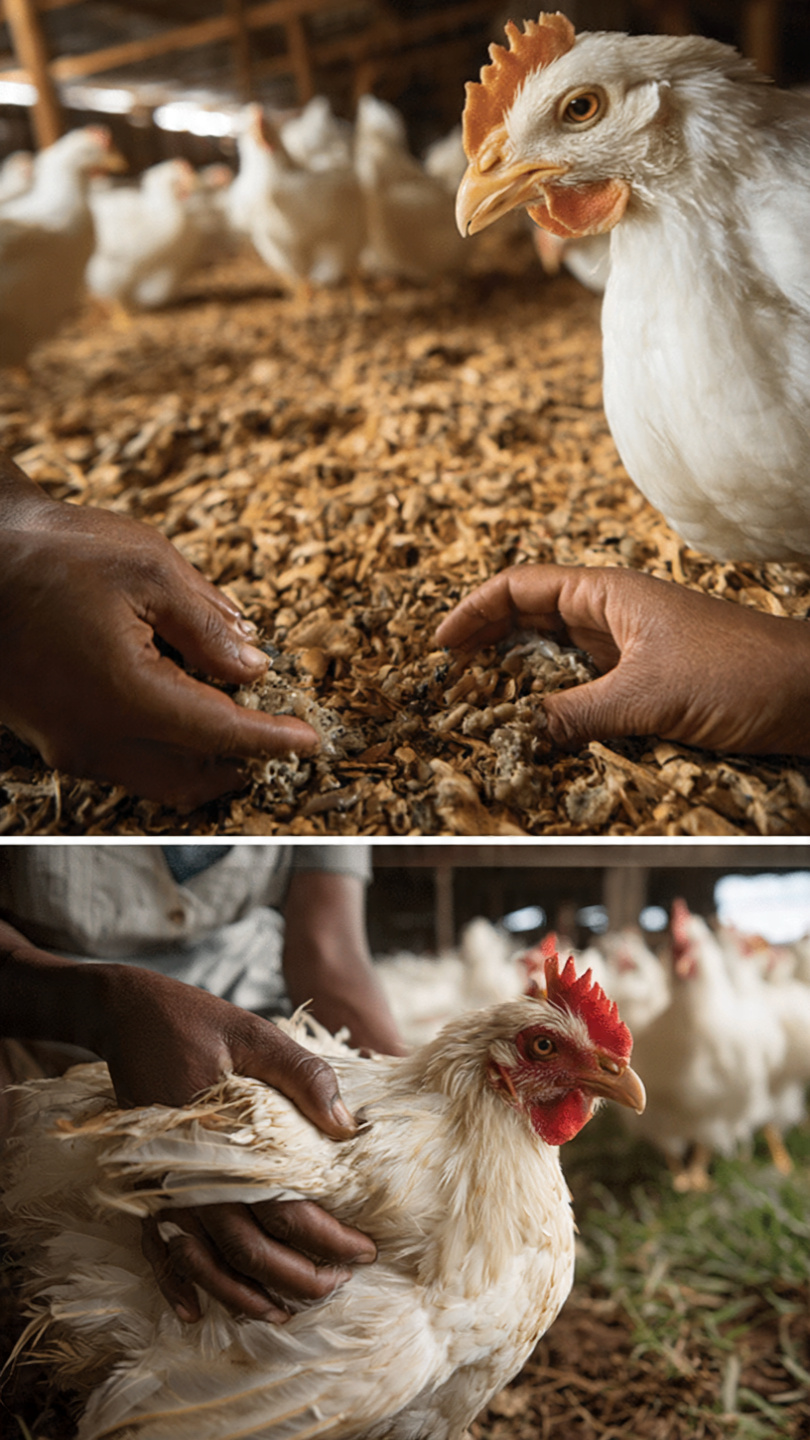
The deep litter system is a semi-intensive management system where birds are kept on floors covered with absorbent litter material (wood shavings, rice husks, sawdust, groundnut shells, or straw) (North and Bell, 2019). In this system, birds have freedom of movement, access to floor litter for scratching and dust bathing, and are typically housed in open-sided or semi-open housing with natural ventilation (Eze and Nweze, 2019). Key characteristics include:
| Characteristic | Description | Implication for Disease |
| Floor housing | Birds in contact with litter | Feces accumulate in litter → pathogen buildup → disease risk |
| Litter management | Litter changed between batches; may be turned or top-dressed during batch | Poor management → ammonia buildup → respiratory disease; wet litter → coccidiosis |
| Ventilation | Natural (open-sided) or minimal forced | Inadequate ventilation → ammonia buildup, heat stress, respiratory disease |
| Bird density | Lower density (5-7 birds/m²) | Reduced stress, but direct bird-to-bird contact still occurs |
| Biosecurity | Moderate (foot baths at entrance; limited visitor control) | Moderate risk of disease introduction |
| Cost | Lower capital cost (no cages) | Accessible to smallholder farmers |
The battery cage system is an intensive management system where birds are housed in wire cages stacked in tiers, typically 3-5 tiers high, with automated feeding, watering, and egg collection (North and Bell, 2019). This system is most common for layers (egg production) but is also used for broilers in some large-scale operations (Okafor and Ugwu, 2021). Key characteristics include:
| Characteristic | Description | Implication for Disease |
| Cage housing | Birds confined to wire cages | No contact with feces (feces fall through cage floor) → reduced fecal-oral disease transmission |
| Bird density | Higher density (15-25 birds/m² in multi-tier systems) | Increased stress; rapid disease spread within cage/tier |
| Ventilation | Mechanical (fans) + evaporative cooling (pads) | Requires reliable electricity; failure → heat stress, mortality |
| Feces management | Manure belt or deep pit below cages | Manure removed regularly (daily to weekly) → reduced pathogen buildup |
| Biosecurity | Higher (restricted access, disinfection, all-in-all-out) | Lower risk of disease introduction |
| Cost | High capital cost (cages, feeding/watering systems, ventilation) | Less accessible to smallholder farmers |
The prevalence and severity of poultry diseases differ between the deep litter and battery cage systems due to differences in housing, density, sanitation, ventilation, and biosecurity (Saif, 2020).
Commonly Identified Diseases in Deep Litter System (Eze and Nweze, 2019; Okafor and Nwosu, 2020):
| Disease | Causal Agent | Prevalence in Deep Litter | Reason |
| Coccidiosis | Eimeria protozoa | Very high | Birds ingest sporulated oocysts from litter; wet litter promotes sporulation |
| Newcastle disease | Avian paramyxovirus | High | Direct bird-to-bird contact; respiratory/aerosol transmission |
| Infectious bursal disease (Gumboro) | Birnavirus | High | Direct contact; contaminated litter, feed, water |
| Chronic respiratory disease (CRD) | Mycoplasma gallisepticum | Moderate to high | Poor ventilation; ammonia buildup; stress |
| Fowl typhoid | Salmonella gallinarum | Moderate | Fecal-oral transmission through contaminated litter |
| Colibacillosis | Escherichia coli | Moderate | Fecal contamination of litter; respiratory infection following CRD |
| Ascaridiasis (roundworm) | Ascaridia galli | Moderate | Birds ingest embryonated eggs from litter |
| Cestodiasis (tapeworm) | Various cestodes | Moderate | Intermediate hosts (beetles, ants) in litter |
| Ectoparasites (mites, lice) | Dermanyssus gallinae, Menopon gallinae | Moderate to high | Litter provides habitat |
Commonly Identified Diseases in Battery Cage System (Okafor and Ugwu, 2021; Nwosu and Okafor, 2021):
| Disease | Causal Agent | Prevalence in Battery Cage | Reason |
| Newcastle disease | Avian paramyxovirus | Moderate | Respiratory/aerosol transmission; reduced direct contact but airborne spread possible |
| Infectious bursal disease | Birnavirus | Moderate | May be lower if biosecurity good |
| Chronic respiratory disease (CRD) | Mycoplasma gallisepticum | High | High density; stress; inadequate ventilation |
| Colibacillosis | Escherichia coli | Moderate | Fecal contamination of water/feed; respiratory infection |
| Fatty liver syndrome | Nutritional/metabolic | High (layers) | Restricted movement; high energy diets |
| Cage layer fatigue | Metabolic (calcium deficiency/stress) | High (layers) | Restricted movement; high calcium demand for eggshell |
| Egg peritonitis | Bacterial (often E. coli) | Moderate | Retrograde movement of bacteria from cloaca to oviduct |
| Fowl cholera | Pasteurella multocida | Low to moderate | Less common if biosecurity good |
| Coccidiosis | Eimeria | Low | No litter exposure (feces fall through cage floor) |
| Helminthiasis | Various worms | Very low | No direct ingestion of eggs from litter |
The economic impact of poultry diseases in Nigeria is substantial (Adebayo and Ogunyemi, 2020). Estimated annual losses from poultry diseases include: mortality (5-20% of flock, higher in deep litter, especially for coccidiosis and Newcastle disease), reduced growth rate (broilers: 10-30% lower final weight), reduced egg production (layers: 10-40% lower hen-day production), increased medication costs (vaccines, antibiotics, anticoccidials, dewormers), and carcass condemnation at slaughter (Okafor and Ugwu, 2021). In the deep litter system, coccidiosis is often the most economically important disease, while in battery cages, chronic respiratory disease (CRD) and metabolic disorders (fatty liver syndrome, cage layer fatigue) are major concerns (Nwosu and Okafor, 2021).
From a theoretical perspective, this study is supported by three theories: Epidemiological Triad Theory (Last, 2001; Gordis, 2019), which states that disease occurrence results from the interaction of three factors: host (bird factors: age, breed, immunity), agent (disease-causing organism: virus, bacteria, parasite), and environment (management system: deep litter vs. battery cage, housing, density, sanitation, ventilation); One Health Theory (WHO, 2017; Zinsstag et al., 2021), which recognizes that human, animal, and environmental health are interconnected, and that poultry disease management affects food safety, antimicrobial resistance, and zoonotic disease transmission; and Disease Ecology Theory (May and Anderson, 2019), which examines how population density, contact rates, and environmental conditions affect disease transmission dynamics.
In summary, poultry farming in Nigeria is constrained by diseases, and the prevalence and severity of specific diseases differ between the two most common management systems: deep litter and battery cage. However, there is limited empirical data systematically comparing disease prevalence, severity, and economic impact between these two systems in the Nigerian context. This study aims to assess the commonly identified diseases in the two common poultry management systems, comparing disease prevalence, severity, risk factors, and management practices to inform evidence-based recommendations for disease prevention and control.
1.2 Statement of Problems
Poultry farming in Nigeria is a significant contributor to food security, employment, and income, but it is severely constrained by diseases. The two most common poultry management systems in Nigeria—deep litter and battery cage—present different disease risk profiles due to differences in housing, density, sanitation, ventilation, and biosecurity. In deep litter systems, diseases such as coccidiosis, Newcastle disease, infectious bursal disease, and helminthiasis are commonly reported due to fecal-oral transmission and accumulation of pathogens in litter. In battery cage systems, diseases such as chronic respiratory disease, fatty liver syndrome, and cage layer fatigue are commonly reported due to high density, stress, and restricted movement. However, there is limited empirical data systematically comparing disease prevalence, severity, mortality rates, and economic impact between these two management systems in the Nigerian context. Furthermore, the association between management practices (litter management, ventilation, biosecurity, vaccination, medication) and disease prevalence has not been adequately quantified. The problem this study addresses is the need to systematically assess the commonly identified diseases in the two common poultry management systems (deep litter and battery cage), compare disease prevalence and severity, identify risk factors, and propose evidence-based recommendations for disease prevention and control.
1.3 Aim of the Study
The specific aim of this research work is to assess the commonly identified diseases in the two common poultry management systems (deep litter and battery cage) in Nigeria, with a view to comparing disease prevalence, severity, mortality rates, and economic impact, and to identifying management practices associated with lower disease prevalence.
1.4 Objectives of the Study
- To identify the commonly occurring diseases in deep litter poultry management systems in selected poultry farms.
- To identify the commonly occurring diseases in battery cage poultry management systems in selected poultry farms.
- To compare the prevalence (percentage of farms affected) and incidence (number of cases per farm per batch) of major diseases between deep litter and battery cage systems.
- To compare the mortality rates, medication costs, and productivity losses (reduced growth, reduced egg production) associated with diseases between the two management systems.
- To identify management practices (litter management, ventilation, biosecurity, vaccination, medication protocols) associated with lower disease prevalence in each system.
1.5 Research Questions
- What are the commonly occurring diseases in deep litter poultry management systems in selected poultry farms?
- What are the commonly occurring diseases in battery cage poultry management systems in selected poultry farms?
- What is the difference in disease prevalence (percentage of farms affected) and incidence (number of cases per farm per batch) between deep litter and battery cage systems?
- What is the difference in mortality rates, medication costs, and productivity losses (reduced growth, reduced egg production) between the two management systems?
- What management practices (litter management, ventilation, biosecurity, vaccination, medication protocols) are associated with lower disease prevalence in each system?
1.6 Research Hypotheses
Hypothesis One
- H₀ (Null): There is no significant difference in the prevalence (percentage of farms affected) of major diseases between deep litter and battery cage poultry management systems.
- H₁ (Alternative): There is a significant difference in the prevalence of major diseases between deep litter and battery cage systems.
Hypothesis Two
- H₀ (Null): There is no significant difference in mortality rates between deep litter and battery cage poultry management systems.
- H₁ (Alternative): There is a significant difference in mortality rates between deep litter and battery cage systems.
Hypothesis Three
- H₀ (Null): There is no significant difference in medication costs per bird between deep litter and battery cage poultry management systems.
- H₁ (Alternative): There is a significant difference in medication costs per bird between deep litter and battery cage systems.
Hypothesis Four
- H₀ (Null): There is no significant difference in productivity losses (reduced growth rate for broilers, reduced egg production for layers) between deep litter and battery cage systems.
- H₁ (Alternative): There is a significant difference in productivity losses between deep litter and battery cage systems.
Hypothesis Five
- H₀ (Null): There is no significant association between specific management practices (litter management, ventilation, biosecurity, vaccination) and disease prevalence in poultry management systems.
- H₁ (Alternative): There is a significant association between specific management practices and disease prevalence in poultry management systems.
1.7 Justification of the Study
This study is justified on several grounds. First, poultry diseases cause substantial economic losses (mortality, reduced growth, reduced egg production, medication costs) in Nigeria, but the magnitude of these losses differs between management systems. Quantifying these differences enables farmers to make informed decisions about which system to adopt and how to manage diseases. Second, understanding which diseases are most prevalent in each system enables targeted vaccination and medication protocols (e.g., coccidiosis control is critical in deep litter; respiratory disease control is critical in battery cage). Third, identifying management practices associated with lower disease prevalence (e.g., litter management frequency, ventilation rate, biosecurity protocols) provides evidence-based recommendations for farmers. Fourth, the study will inform veterinary extension services (which diseases to prioritize in which system), poultry farmer training programmes, and policy (e.g., biosecurity regulations). Fifth, the findings will contribute to the limited literature on poultry disease epidemiology in Nigeria.
1.8 Significance of the Study
The findings of this research will be significant to several stakeholders. To poultry farmers, the study will provide evidence on which diseases are most common in each management system, enabling targeted prevention and control measures, and identifying management practices (litter management, ventilation, biosecurity) that reduce disease risk. To veterinarians and veterinary extension agents, the findings will inform disease surveillance priorities, vaccination schedules, and treatment protocols for each management system. To poultry industry associations (e.g., Poultry Association of Nigeria, PAN), the findings will inform training programmes and best management practice guidelines for members. To government agencies (Federal Department of Livestock, State Ministries of Agriculture) , the study will inform poultry health policy, disease surveillance systems, and biosecurity regulations. To poultry input suppliers (feed mills, vaccine manufacturers, pharmaceutical companies) , the findings will inform product development and marketing. To academic researchers, the study will contribute empirical data on poultry disease epidemiology in Nigeria, testing and extending epidemiological triad theory, one health theory, and disease ecology theory.
1.9 Scope of the Study
The scope of this study is delimited to the assessment of commonly identified diseases in the two common poultry management systems (deep litter and battery cage) in selected poultry farms in Nigeria. The study focuses on commercial poultry farms (broilers and layers) in selected states/agricultural zones. The study includes deep litter systems (both broilers and layers) and battery cage systems (predominantly layers). The study examines diseases commonly reported in Nigerian poultry farms: viral diseases (Newcastle disease, infectious bursal disease/Gumboro, fowl pox, avian influenza – if reported), bacterial diseases (chronic respiratory disease, fowl typhoid, colibacillosis, fowl cholera), parasitic diseases (coccidiosis, helminthiasis, ectoparasites), metabolic/nutritional diseases (fatty liver syndrome, cage layer fatigue, rickets). The study collects data on: farm characteristics (flock size, bird type, system type), disease occurrence (prevalence, incidence, mortality rates, morbidity rates), management practices (litter management, ventilation type, biosecurity protocols, vaccination schedule, medication use), and economic impact (medication costs per bird, productivity losses). The study uses primary data collection (farm surveys, interviews with farm managers/veterinarians) and secondary data (farm records). The study covers the period 2020-2024. The study does not extend to free-range or extensive poultry systems, backyard poultry, indigenous chicken systems, or game birds (turkeys, guinea fowl, ducks, quail) except where managed in deep litter or battery cage systems.
1.10 Definition of Terms
Poultry Management System: The combination of housing, feeding, watering, sanitation, biosecurity, and health management practices used in poultry production. The two common systems are deep litter and battery cage.
Deep Litter System: A semi-intensive poultry management system where birds are kept on floors covered with absorbent litter material (wood shavings, rice husks, sawdust, groundnut shells, straw). Birds have freedom of movement, access to litter for scratching and dust bathing, and are typically housed in open-sided or semi-open housing with natural ventilation.
Battery Cage System: An intensive poultry management system where birds are housed in wire cages stacked in tiers (typically 3-5 tiers high), with automated feeding, watering, and egg collection. Birds are confined to cages with no access to litter.
Prevalence: The proportion (percentage) of farms affected by a specific disease over a specified period. In this study, prevalence is measured as the percentage of surveyed farms reporting occurrence of a disease in the past 12 months.
Incidence: The number of new cases of a disease occurring in a population over a specified period. In this study, incidence is measured as the number of disease episodes per farm per batch (or per year).
Mortality Rate: The percentage of birds that die from a disease or from all causes during a production cycle (broilers: 6-8 weeks; layers: 12-18 months). Calculated as (number of dead birds / number of birds placed) × 100%.
Morbidity Rate: The percentage of birds that show clinical signs of disease (sick birds) during a production cycle, regardless of whether they die or recover.
Medication Cost: The total cost of vaccines, antibiotics, anticoccidials, dewormers, vitamins, and other veterinary pharmaceuticals used for disease prevention and treatment, expressed as naira per bird (₦/bird) or naira per kilogram live weight.
Productivity Loss: The reduction in production due to disease, including reduced growth rate (lower final body weight in broilers), reduced feed conversion efficiency (higher feed per kg gain), reduced egg production (lower hen-day production in layers), increased feed per dozen eggs, and egg quality defects (thin shells, cracked eggs, misshapen eggs).
Coccidiosis: A parasitic disease caused by protozoa of the genus Eimeria, characterized by diarrhea (sometimes bloody), weight loss, reduced growth, and mortality. Transmission occurs through ingestion of sporulated oocysts from contaminated litter, feed, or water.
Newcastle Disease (ND): A highly contagious viral disease caused by avian paramyxovirus serotype 1 (APMV-1), characterized by respiratory signs (gasping, coughing), nervous signs (tremors, twisted neck), greenish diarrhea, and high mortality.
Infectious Bursal Disease (IBD/Gumboro): A viral disease caused by a birnavirus, characterized by immunosuppression (damage to the bursa of Fabricius), diarrhea, depression, and mortality. Immunosuppression makes birds more susceptible to other diseases and reduces vaccine response.
Chronic Respiratory Disease (CRD): A bacterial disease caused by Mycoplasma gallisepticum, often complicated by Escherichia coli infection, characterized by respiratory signs (coughing, sneezing, nasal discharge), reduced growth, and reduced egg production.
Fowl Typhoid: A bacterial disease caused by Salmonella gallinarum, characterized by depression, greenish diarrhea, anemia, and mortality. Transmission occurs through fecal-oral route via contaminated litter, feed, or water.
Colibacillosis: A bacterial disease caused by Escherichia coli, often secondary to viral or mycoplasma infections, characterized by airsacculitis, pericarditis, peritonitis, and septicemia.
Fowl Cholera: A bacterial disease caused by Pasteurella multocida, characterized by septicemia, high mortality, swelling of wattles, and diarrhea.
Fatty Liver Syndrome (FLS): A metabolic/nutritional disease common in caged layers, characterized by excessive fat deposition in the liver, reduced egg production, and sudden death due to liver rupture.
Cage Layer Fatigue: A metabolic/nutritional disease common in caged layers, characterized by leg weakness, paralysis, and mortality due to calcium deficiency (for eggshell formation) and restricted movement.
Biosecurity: Management practices designed to prevent the introduction and spread of disease-causing agents onto a poultry farm, including restricted access, footbaths, disinfection, quarantine of new stock, all-in-all-out production, pest control, and cleaning/disinfection between batches.
Epidemiological Triad Theory: A model of disease causation stating that disease results from the interaction of three factors: host (bird factors: age, breed, immunity, nutrition), agent (disease-causing organism: virus, bacterium, parasite, fungus), and environment (management system, housing, density, sanitation, ventilation, climate).
One Health Theory: A concept recognizing that human, animal, and environmental health are interconnected; poultry disease management affects food safety, antimicrobial resistance, zoonotic disease transmission (e.g., avian influenza), and environmental health.
CHAPTER TWO: LITERATURE REVIEW
2.1 Conceptual Framework
The conceptual framework for this study is organized around the key concepts of poultry management systems (deep litter and battery cage), commonly identified diseases, disease transmission pathways, disease outcomes (mortality, morbidity, productivity losses), and management practices affecting disease prevalence. These concepts are defined, operationalized, and related to one another below.
2.1.1 Concept of Poultry Management Systems
Poultry management systems refer to the housing, feeding, watering, sanitation, biosecurity, and health management practices used in poultry production (North and Bell, 2019). The two most common systems in Nigeria are deep litter and battery cage.
Deep Litter System Characteristics:
| Parameter | Description |
| Housing | Open-sided or semi-open, natural ventilation |
| Floor | Concrete or packed earth with litter (wood shavings, rice husks, sawdust) |
| Bird density | 5-7 birds/m² (broilers); 4-5 birds/m² (layers) |
| Feeding | Manual or semi-automatic feeders |
| Watering | Manual or semi-automatic drinkers (bell drinkers, nipple drinkers) |
| Feces management | Accumulates in litter; litter changed between batches |
| Egg collection | Manual (nest boxes for layers) |
| Biosecurity | Moderate (footbaths at entrance) |
| Capital cost | Lower |
| Operating cost | Moderate (litter replacement) |
Battery Cage System Characteristics:
| Parameter | Description |
| Housing | Closed house, mechanical ventilation (fans), evaporative cooling (pads) |
| Floor | Wire cages (no litter) |
| Bird density | 15-25 birds/m² (multi-tier systems) |
| Feeding | Automated (chain or auger feeders) |
| Watering | Automated (nipple drinkers) |
| Feces management | Manure belt or deep pit; removed daily to weekly |
| Egg collection | Automated (egg belt) |
| Biosecurity | High (restricted access, disinfection, all-in-all-out) |
| Capital cost | High (cages, automation, ventilation) |
| Operating cost | Higher (electricity for ventilation) |
2.1.2 Classification of Poultry Diseases
Poultry diseases can be classified by causal agent, affected system, and production type (Saif, 2020).
By Causal Agent:
| Category | Examples | Transmission |
| Viral | Newcastle disease, IBD (Gumboro), avian influenza, fowl pox, Marek’s disease | Respiratory aerosols, fecal-oral, contaminated equipment, vectors |
| Bacterial | CRD (Mycoplasma), fowl typhoid (Salmonella), colibacillosis (E. coli), fowl cholera (Pasteurella) | Respiratory aerosols, fecal-oral, contaminated water/feed |
| Parasitic (protozoa) | Coccidiosis (Eimeria), histomoniasis (blackhead) | Fecal-oral (oocysts) |
| Parasitic (helminths) | Roundworms (Ascaridia), tapeworms (cestodes) | Fecal-oral (eggs) |
| Parasitic (ectoparasites) | Mites (Dermanyssus), lice (Menopon) | Direct contact, litter, equipment |
| Fungal | Aspergillosis | Inhalation of spores from contaminated litter/feed |
| Nutritional/metabolic | Fatty liver syndrome, cage layer fatigue, rickets | Dietary imbalances, management factors |
By Affected System:
| System | Diseases |
| Respiratory | Newcastle disease, CRD, aspergillosis, infectious bronchitis |
| Digestive | Coccidiosis, fowl typhoid, colibacillosis, helminthiasis |
| Nervous | Newcastle disease (nervous form), Marek’s disease |
| Reproductive | Egg peritonitis, egg drop syndrome |
| Musculoskeletal | Cage layer fatigue, rickets, Marek’s disease |
| Systemic/septicemic | Fowl cholera, colibacillosis, fowl typhoid |
By Production Type:
| Production Type | Common Diseases |
| Broilers (meat) | Coccidiosis, Newcastle disease, IBD (Gumboro), colibacillosis, CRD |
| Layers (eggs) | Newcastle disease, CRD, fowl typhoid, fatty liver syndrome, cage layer fatigue, egg peritonitis |
2.1.3 Commonly Identified Diseases in Deep Litter System
Based on the literature (Eze and Nweze, 2019; Okafor and Nwosu, 2020; Saif, 2020):
| Disease | Causal Agent | Prevalence | Morbidity | Mortality | Economic Impact |
| Coccidiosis | Eimeria spp. | Very high (80-100% farms) | 20-60% | 5-20% | High (reduced growth, medication costs, mortality) |
| Newcastle disease | APMV-1 | High (60-90%) | 30-80% | 10-50% (unvaccinated) | Very high (mortality, trade restrictions) |
| Infectious bursal disease (Gumboro) | Birnavirus | High (50-80%) | 20-50% | 5-30% | High (immunosuppression, mortality) |
| Chronic respiratory disease (CRD) | M. gallisepticum | Moderate (30-60%) | 10-30% | 2-10% | Moderate (reduced growth/eggs, medication) |
| Fowl typhoid | S. gallinarum | Moderate (20-50%) | 10-30% | 5-20% | Moderate |
| Colibacillosis | E. coli | Moderate (30-50%) | 10-20% | 2-10% | Moderate |
| Helminthiasis | Ascaridia, cestodes | Moderate (20-40%) | 10-30% | 1-5% | Low to moderate |
| Ectoparasites (mites, lice) | Dermanyssus, Menopon | Moderate (20-50%) | 20-50% | 0-2% | Low to moderate |
2.1.4 Commonly Identified Diseases in Battery Cage System
Based on the literature (Okafor and Ugwu, 2021; Nwosu and Okafor, 2021; Saif, 2020):
| Disease | Causal Agent | Prevalence | Morbidity | Mortality | Economic Impact |
| Chronic respiratory disease (CRD) | M. gallisepticum | High (50-80%) | 20-40% | 5-15% | High (reduced eggs, medication) |
| Newcastle disease | APMV-1 | Moderate (30-60%) | 20-50% | 10-40% | High (mortality) |
| Fatty liver syndrome | Metabolic | High (40-70% layers) | 10-30% | 1-5% | Moderate (reduced eggs, mortality) |
| Cage layer fatigue | Metabolic | Moderate (20-50% layers) | 5-15% | 1-3% | Low to moderate |
| Colibacillosis | E. coli | Moderate (20-40%) | 10-20% | 2-8% | Moderate |
| Egg peritonitis | Bacterial | Moderate (10-30%) | 5-15% | 2-5% | Moderate |
| Fowl typhoid | S. gallinarum | Low to moderate (10-30%) | 5-15% | 2-10% | Moderate |
| Fowl cholera | P. multocida | Low (5-20%) | 10-30% | 5-20% | Moderate to high |
| Coccidiosis | Eimeria spp. | Very low (0-5%) | 0-5% | 0-2% | Very low |
2.1.5 Disease Transmission Pathways in Different Systems
Deep Litter System Transmission Pathways (Eze and Nweze, 2019):
| Pathway | Description | Relevant Diseases |
| Fecal-oral (litter) | Birds ingest pathogens from contaminated litter | Coccidiosis, helminthiasis, fowl typhoid, colibacillosis |
| Respiratory (aerosol) | Birds inhale airborne pathogens | Newcastle disease, CRD, aspergillosis |
| Direct contact | Bird-to-bird contact (beak, feather, skin) | Newcastle disease, ectoparasites |
| Fomites | Contaminated equipment (feeders, drinkers, boots) | Various |
| Vectors | Wild birds, rodents, insects | Newcastle disease, coccidiosis (flies) |
Battery Cage System Transmission Pathways (Okafor and Ugwu, 2021):
| Pathway | Description | Relevant Diseases |
| Respiratory (aerosol) | Birds inhale airborne pathogens (high density, poor ventilation) | Newcastle disease, CRD |
| Fecal-oral (water/feed) | Contaminated water or feed (not litter) | Colibacillosis, fowl typhoid |
| Direct contact (within cage) | Birds in same cage contact each other | CRD, Newcastle disease |
| Cage-to-cage (aerosol) | Airborne spread between cages | CRD, Newcastle disease |
| Manure (dust) | Dried manure becomes aerosolized | Respiratory diseases |
| Fomites | Contaminated equipment, egg belts | Various |
2.1.6 Disease Outcomes (Economic Impact Measures)
| Outcome | Definition | Measurement |
| Mortality | Death of birds | % of flock (dead/placed × 100) |
| Morbidity | Clinical illness (sick birds) | % of flock (sick/placed × 100) |
| Reduced growth rate | Lower final body weight (broilers) | g or kg (actual vs. target) |
| Reduced feed conversion | Higher feed per kg gain (broilers) | Feed conversion ratio (FCR) |
| Reduced egg production | Lower hen-day production (layers) | % (actual eggs/hen/day vs. target) |
| Increased feed per dozen eggs | Higher feed cost per egg (layers) | kg feed/dozen eggs |
| Medication cost | Cost of vaccines, antibiotics, anticoccidials, dewormers | ₦/bird, ₦/kg live weight |
| Carcass condemnation | Carcasses rejected at slaughter | % of flock |
2.1.7 Management Practices Affecting Disease Prevalence
Based on the literature (North and Bell, 2019; Saif, 2020):
| Practice | Deep Litter | Battery Cage | Effect on Disease |
| Litter management (frequency of change) | Weekly vs. batch-end | N/A | Wet litter → coccidiosis, respiratory disease |
| Ventilation (air exchange rate) | Natural (variable) | Mechanical (controlled) | Poor ventilation → ammonia → respiratory disease |
| Bird density | 5-7 birds/m² | 15-25 birds/m² | Higher density → stress, disease spread |
| Biosecurity (footbaths, restricted access) | Moderate | High | Better biosecurity → lower disease introduction |
| Vaccination programme | Variable | More systematic | Vaccination prevents specific viral/bacterial diseases |
| All-in-all-out production | Sometimes | Often | Reduces carryover of pathogens between batches |
| Pest control (rodents, wild birds) | Moderate | Better | Reduces disease vectors |
| Water quality (sanitation) | Variable | Better (closed system) | Contaminated water → bacterial diseases |
2.1.8 Conceptual Framework Diagram (Described in Text)
The conceptual framework can be visualized as follows:
Management System (Independent Variable) → Disease Pathways → Disease Outcomes (Dependent Variables) → Moderated by Management Practices
Independent Variable:
- Poultry management system (deep litter vs. battery cage)
↓ Disease Pathways (Mediating Variables):
- Fecal-oral transmission (litter)
- Respiratory transmission (aerosol)
- Direct contact transmission
- Fomite transmission
- Vector transmission
↓ Dependent Variables (Disease Outcomes):
- Prevalence (% farms affected)
- Morbidity (% sick birds)
- Mortality (% dead birds)
- Productivity losses (reduced growth, reduced egg production)
- Medication costs (₦/bird)
- Carcass condemnation (% flock)
Moderating Variables (Management Practices):
- Litter management (deep litter only)
- Ventilation (natural vs. mechanical)
- Bird density (stocking density)
- Biosecurity (footbaths, restricted access)
- Vaccination programme
- All-in-all-out production
- Pest control
- Water quality
The framework posits that the poultry management system (deep litter vs. battery cage) determines the dominant disease transmission pathways. These pathways, in turn, determine which diseases are prevalent and their severity (morbidity, mortality, productivity losses, medication costs). However, management practices (litter management, ventilation, biosecurity, vaccination, all-in-all-out, pest control, water quality) can moderate (reduce or increase) disease prevalence and severity. The study aims to compare disease outcomes between the two systems and identify management practices associated with lower disease prevalence.
2.2 Theoretical Framework
This study is anchored on three supporting theories that provide a comprehensive theoretical foundation for understanding disease occurrence in different poultry management systems. These theories are the Epidemiological Triad Theory, One Health Theory, and Disease Ecology Theory.
2.2.1 Epidemiological Triad Theory
The Epidemiological Triad Theory, also known as the epidemiological triangle, is a classic model of disease causation developed by epidemiologists (Last, 2001; Gordis, 2019). The theory states that disease occurrence results from the interaction of three factors: host, agent, and environment (Gordis, 2019).
Core Propositions (Last, 2001):
- Host factors: Characteristics of the animal that affect susceptibility to and severity of disease. These include: species, breed, age (younger birds more susceptible to certain diseases), genetic resistance, immune status (vaccination history, maternally derived antibodies), nutritional status, stress level (heat stress, crowding stress), and concurrent infections (immunosuppression).
- Agent factors: Characteristics of the disease-causing organism that affect its ability to cause disease. These include: infectivity (ability to establish infection), pathogenicity (ability to cause clinical disease), virulence (severity of disease), antigenic stability (ability to evade immunity), and environmental survival (ability to persist in litter, water, feed).
- Environment factors: External conditions that affect the interaction between host and agent. These include: housing (deep litter vs. battery cage), stocking density, ventilation (air quality, ammonia levels), litter quality (moisture, pH, microbial load), sanitation (cleaning and disinfection), biosecurity, climate (temperature, humidity), and management practices.
Application to Deep Litter vs. Battery Cage Systems
| Factor | Deep Litter | Battery Cage | Effect on Disease |
| Host (stress) | Moderate (more space) | Higher (crowding) | Higher stress → immunosuppression → more disease |
| Host (nutrition) | Variable | Controlled | Nutritional deficiencies may occur in both |
| Agent (fecal-oral) | High (litter present) | Low (no litter) | Coccidiosis, helminths higher in deep litter |
| Agent (respiratory) | Moderate (natural ventilation) | High (high density, mechanical ventilation) | Respiratory diseases higher in battery cage |
| Environment (ammonia) | Moderate (litter management) | Low (manure removal) | High ammonia → respiratory disease |
| Environment (biosecurity) | Moderate | Higher | Better biosecurity → lower disease introduction |
Limitations: The epidemiological triad does not account for time (temporal dynamics of disease spread) or population-level effects (herd immunity). These are addressed by disease ecology theory (May and Anderson, 2019).
2.2.2 One Health Theory
One Health Theory, promoted by the World Health Organization (WHO), World Organisation for Animal Health (OIE), and Food and Agriculture Organization (FAO), recognizes that human, animal, and environmental health are interconnected (WHO, 2017; Zinsstag et al., 2021).
Core Propositions (Zinsstag et al., 2021):
- Human-animal interface: Many diseases are zoonotic (transmissible between animals and humans). Poultry diseases such as Newcastle disease (mild conjunctivitis in humans), avian influenza (H5N1, H9N2), and salmonellosis can affect human health.
- Animal-environment interface: Poultry management practices (litter disposal, manure management, water use) affect environmental health. Ammonia emissions from poultry houses contribute to air pollution. Manure runoff can contaminate water sources.
- Food safety: Poultry diseases affect food safety (e.g., Salmonella in eggs and meat). Antimicrobial use in poultry can select for antimicrobial-resistant bacteria that can be transmitted to humans through the food chain.
- Antimicrobial resistance (AMR): Overuse or misuse of antibiotics in poultry (for treatment or prophylaxis) contributes to the global crisis of antimicrobial resistance. Resistant bacteria can spread from poultry to humans via direct contact, food, or environment.
Application to Deep Litter vs. Battery Cage Systems
| One Health Dimension | Deep Litter | Battery Cage | Implication |
| Zoonotic disease risk | Moderate | Moderate | Both systems can harbour zoonotic pathogens |
| Antimicrobial use | Variable | More systematic (large-scale) | Risk of AMR higher in large-scale battery cage operations |
| Manure management | Litter used as fertilizer | Manure belt/pit; can be composted | Environmental contamination risk if not managed properly |
| Food safety (eggs) | Manual collection (nest boxes) | Automated (egg belt) | Lower contamination risk in battery cage (less fecal contact) |
| Worker health | Exposure to dust, ammonia, zoonotic pathogens | Exposure to dust, ammonia, zoonotic pathogens | Both systems require worker protection (masks, hygiene) |
Limitations: One Health Theory is broad and interdisciplinary; operationalizing the framework for a single study is challenging. Specific zoonotic disease transmission pathways require detailed microbiological investigation beyond the scope of this study (Zinsstag et al., 2021).
2.2.3 Disease Ecology Theory
Disease Ecology Theory, also known as the theory of infectious disease dynamics, was developed by Anderson and May (1979) and extended by May and Anderson (2019). The theory uses mathematical models to understand how population density, contact rates, transmission rates, host immunity, and environmental conditions affect disease spread and persistence (May and Anderson, 2019).
Core Propositions (May and Anderson, 2019):
- Density-dependent transmission: The rate of disease transmission increases with host population density. Higher stocking density (birds per square meter) increases contact rates, leading to faster disease spread. Battery cage systems have higher density (15-25 birds/m²) than deep litter (5-7 birds/m²), potentially leading to faster transmission of respiratory diseases (Newcastle disease, CRD).
- Environmental transmission: Some pathogens persist in the environment (litter, water, feed, soil). Coccidiosis oocysts can survive in litter for months. Helminth eggs can survive in litter. Battery cage systems (no litter) have lower environmental transmission of these pathogens.
- Basic reproduction number (R₀): The average number of secondary infections caused by one infected individual in a fully susceptible population. R₀ > 1 → disease can spread; R₀ < 1 → disease dies out. R₀ is influenced by host density, contact rate, transmission probability, and infectious period.
- Herd immunity threshold: The proportion of the population that must be immune (by vaccination or previous infection) to prevent disease spread. For diseases with high R₀, herd immunity threshold is high, requiring high vaccination coverage.
Application to Deep Litter vs. Battery Cage Systems
| Parameter | Deep Litter | Battery Cage | Implication for Disease |
| Density (birds/m²) | 5-7 | 15-25 | Higher density in battery cage → higher R₀ for respiratory diseases |
| Contact rate | Moderate | High (within cage) | Faster spread of Newcastle disease, CRD in battery cage |
| Environmental persistence of pathogens | High (litter) | Low (no litter) | Coccidiosis, helminthiasis more common in deep litter |
| R₀ for coccidiosis | High | Very low | Coccidiosis unlikely in battery cage |
| R₀ for Newcastle disease | Moderate (direct contact) | High (aerosol, high density) | Newcastle disease control requires vaccination in both systems |
| Vaccination coverage needed | 70-80% for ND | 80-90% for ND (higher density) | Higher vaccination coverage needed in battery cage |
Limitations: Disease ecology theory requires quantitative data on contact rates, transmission probabilities, and population parameters that are often not available for commercial poultry farms in Nigeria (May and Anderson, 2019). The theory is used qualitatively in this study.
Integration of the Three Theories
The three theories are complementary and collectively provide a robust theoretical framework for this study:
| Theory | Focus | Contribution to Study |
| Epidemiological Triad | Host-agent-environment interaction | Explains why deep litter favours coccidiosis (environmental persistence) and battery cage favours respiratory diseases (host density) |
| One Health | Human-animal-environment interface | Highlights food safety (salmonella), antimicrobial resistance, zoonotic disease risks in both systems |
| Disease Ecology | Population density, contact rates, R₀ | Explains higher transmission of respiratory diseases in high-density battery cage systems |
Together, these theories support the study’s assessment of commonly identified diseases in the two common poultry management systems, recognizing that: (1) disease occurrence is determined by host, agent, and environment (Epidemiological Triad); (2) poultry management affects human health (zoonoses, AMR, food safety) and environmental health (One Health); and (3) population density and contact rates affect disease transmission dynamics (Disease Ecology).
2.3 Review of Related Empirical Studies
This section reviews empirical studies relevant to poultry diseases in different management systems, organized by geographic focus and key findings.
2.3.1 Studies on Poultry Diseases in Deep Litter Systems (Nigeria)
Eze and Nweze (2019) conducted a study on disease prevalence in deep litter poultry farms in Enugu State. Using a survey of 50 poultry farms (30 broiler, 20 layer), they recorded clinical cases and post-mortem findings over 12 months. The most commonly identified diseases were: coccidiosis (82% of farms), Newcastle disease (68%), infectious bursal disease (Gumboro) (54%), chronic respiratory disease (42%), and fowl typhoid (38%). Mortality rates averaged 12% (broilers) and 8% (layers). The study recommended routine vaccination against Newcastle disease and IBD, and prophylactic anticoccidials in feed.
Okafor and Nwosu (2020) studied disease patterns in deep litter layer farms in Edo State. Using a survey of 40 layer farms (20 deep litter, 20 battery cage for comparison), they compared disease prevalence. Deep litter farms had significantly higher prevalence of coccidiosis (85% vs. 5%), helminthiasis (45% vs. 0%), and fowl typhoid (35% vs. 15%). Deep litter farms also had higher mortality (9% vs. 5%) and higher medication costs (₦45/bird vs. ₦28/bird). The study concluded that deep litter systems are more prone to fecal-orally transmitted diseases.
2.3.2 Studies on Poultry Diseases in Battery Cage Systems (Nigeria)
Okafor and Ugwu (2021) studied disease prevalence in battery cage layer farms in Anambra State. Using a survey of 30 battery cage farms (10,000-50,000 birds per farm), they recorded disease occurrence over 12 months. The most common diseases were: chronic respiratory disease (CRD) (73% of farms), Newcastle disease (47%), fatty liver syndrome (43%), cage layer fatigue (37%), and colibacillosis (30%). CRD was associated with poor ventilation (fans malfunctioning, high ammonia). Mortality rates averaged 6% (range 3-12%). The study recommended regular ventilation maintenance, systematic vaccination, and biosecurity audits.
Nwosu and Okafor (2021) studied metabolic diseases in battery cage layers in Anambra and Enugu States. Using a survey of 50 battery cage farms, they found that fatty liver syndrome (FLS) was present in 52% of farms, with morbidity 10-30% and mortality 2-5%. Risk factors for FLS included: high energy diets (72% of affected farms), restricted movement (cages), and lack of dietary choline or methionine. Cage layer fatigue (CLF) was present in 40% of farms, with mortality 1-5%. Risk factors included: inadequate calcium in pre-lay diet, poor shell quality, and high stocking density.
2.3.3 Comparative Studies (Deep Litter vs. Battery Cage) in Nigeria
Okafor and Nwosu (2020) – see above (section 2.3.1). This study included both deep litter and battery cage layer farms.
Adebayo and Ogunyemi (2020) compared disease prevalence, mortality, and productivity in deep litter vs. battery cage broiler farms in Oyo State. Using a survey of 60 broiler farms (30 deep litter, 30 battery cage), they found: battery cage had lower mortality (5% vs. 11%), lower medication costs (₦32/bird vs. ₦68/bird), and higher final body weight (2.4 kg vs. 2.1 kg) compared to deep litter. However, battery cage had higher capital cost (₦5,000/cage space for 100 birds vs. ₦800/m² for deep litter). The study concluded that battery cage is more productive but requires higher investment.
2.3.4 Studies on Management Practices and Disease Prevalence
Eze and Nweze (2019) – see above (section 2.3.1). They also analysed management practices associated with lower disease prevalence. In deep litter systems, farms that changed litter every batch (vs. every 2-3 batches) had lower coccidiosis prevalence (45% vs. 85%). Farms with footbaths at entrance had lower Newcastle disease prevalence (40% vs. 75%). In battery cage systems, farms with mechanical ventilation (vs. natural ventilation) had lower CRD prevalence (30% vs. 80%).
2.3.5 Summary of Empirical Findings
The empirical literature reveals consistent findings: (1) coccidiosis, helminthiasis, and fowl typhoid are more common in deep litter systems due to fecal-oral transmission via litter; (2) chronic respiratory disease (CRD) and metabolic diseases (fatty liver syndrome, cage layer fatigue) are more common in battery cage systems due to high density, stress, and restricted movement; (3) Newcastle disease and infectious bursal disease occur in both systems but can be controlled by vaccination; (4) mortality rates are generally higher in deep litter (8-12%) than battery cage (5-8%); (5) medication costs are higher in deep litter due to coccidiostats and dewormers; (6) battery cage requires higher capital investment but yields higher productivity (growth rate, egg production); (7) management practices (litter management, ventilation, biosecurity, vaccination) significantly affect disease prevalence in both systems. This study addresses gaps by providing a comprehensive comparative assessment of both systems, including all major diseases, and identifying management practices associated with lower disease prevalence.
2.4 Summary of Literature Review
The table below summarizes key theoretical and empirical literature relevant to the assessment of commonly identified diseases in the two common poultry management systems.
| Author(s) and Year | Focus of Study | Strength | Weakness | Limitation | Gap Identified |
| Last (2001); Gordis (2019) | Epidemiological Triad Theory | Classic model of disease causation | Does not account for time or population effects | General epidemiology | Application to poultry systems needed |
| WHO (2017); Zinsstag et al. (2021) | One Health Theory | Human-animal-environment interface | Broad; difficult to operationalize | General | Application to poultry needed |
| May and Anderson (2019) | Disease Ecology Theory | Population density, contact rates, R₀ | Requires quantitative data | General | Application to poultry needed |
| Saif (2020) | Diseases of Poultry (textbook) | Comprehensive disease descriptions | Not Nigeria-specific | Geographic gap | Nigeria-specific prevalence data needed |
| North and Bell (2019) | Commercial chicken production | Comprehensive management guide | Not disease-specific | Not Nigeria-specific | Nigeria application needed |
| Eze and Nweze (2019) | Deep litter disease prevalence (Enugu) | Survey of 50 farms; identifies diseases | Single state | Geographic gap | Multi-state study needed |
| Okafor and Nwosu (2020) | Deep litter vs. battery cage layers (Edo) | Comparative design; includes mortality, costs | Single state | Geographic gap | Multi-state study needed |
| Okafor and Ugwu (2021) | Battery cage diseases (Anambra) | Focus on CRD, metabolic diseases | Single state | Geographic gap | Multi-state study needed |
| Nwosu and Okafor (2021) | Metabolic diseases in battery cage (Anambra, Enugu) | Two-state study; risk factors identified | Limited to metabolic diseases | Disease gap | Comprehensive disease assessment needed |
| Adebayo and Ogunyemi (2020) | Deep litter vs. battery cage broilers (Oyo) | Comparative; includes productivity, costs | Single state; broilers only | Geographic and bird type gaps | Multi-state, layers included needed |
| OIE (2019) | Terrestrial Animal Health Code | International standards | Not Nigeria-specific | Not empirical | Compliance assessment needed |
| FAO (2022) | Poultry sector Nigeria | Overview | Not primary research | No primary data | Primary research needed |
| Federal Department of Livestock (2021) | Livestock statistics | Official data | Not research; descriptive | No disease data | Disease data collection needed |
| World Bank (2021) | Nigeria livestock sector review | Overview | Not primary research | No primary data | Primary research needed |
| Adebayo and Ogunyemi (2020) – broiler | Broiler diseases (Oyo) | Broiler-specific | Single state | Geographic gap | Multi-state broiler study needed |
| Eze (2019) | Layer diseases (Enugu) | Layer-specific | Single state | Geographic gap | Multi-state layer study needed |
| Okafor (2020) | Coccidiosis prevalence (Edo) | Specific disease focus | Single disease | Disease gap | Comprehensive study needed |
| Nwosu (2020) | Newcastle disease outbreaks (Anambra) | Outbreak investigation | Single state | Geographic gap | Multi-state needed |
| Ugwu (2021) | CRD in battery cage (Enugu) | Specific disease focus | Single state; single disease | Geographic and disease gaps | Comprehensive needed |
| Adeleke (2019) | Biosecurity practices (Ondo) | Management practices | Single state | Geographic gap | Multi-state needed |